
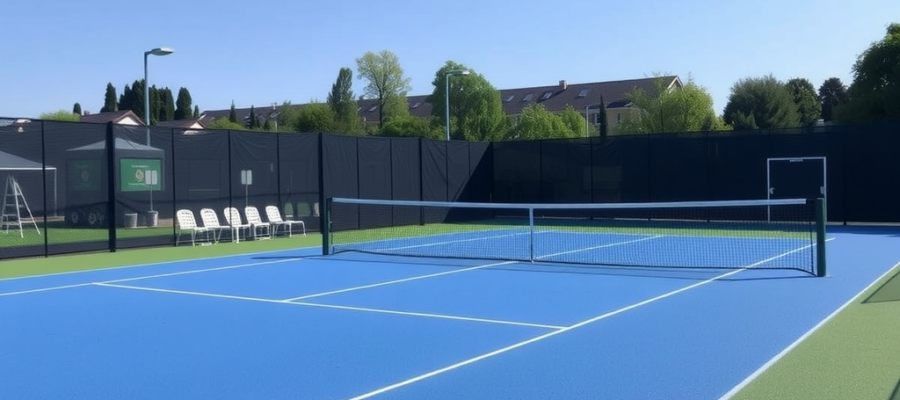
Maintaining a high-quality tennis court is paramount for players, whether they’re casual enthusiasts or professional athletes. A well-maintained court not only enhances performance but also contributes significantly to the overall aesthetics of any sporting facility. Tennis court resurfacing is an essential process that ensures the surface remains playable and visually appealing. This guide provides an in-depth look at the nuances of tennis court resurfacing, covering the numerous aspects of tennis court maintenance, installation, and repair.
Understanding Tennis Court Resurfacing
Tennis court resurfacing involves restoring the top layer of the court to its original condition. Over time, daily usage, weather conditions, and general wear and tear can compromise the surface’s quality. Resurfacing is not only about replacing worn-out material; it requires careful consideration of the surface type – whether it is clay, acrylic, or artificial grass tennis – and the specific needs of the facility.
Regular resurfacing is crucial, as it can extend the lifespan of the court and significantly enhance the player’s experience. Proper maintenance intervals typically range from every 3 to 5 years, but this can vary based on usage and environmental factors.
Types of Tennis Court Surfaces
When considering tennis court resurfacing, it’s essential to understand the various types of surfaces available.
Hard Courts: Made typically from a combination of asphalt or concrete with an acrylic coating, hard courts are known for their durability and consistent bounce. Regular maintenance includes filling cracks, applying new paint, and ensuring proper drainage.
Clay Courts: While clay courts offer a different playing experience, they require more intensive maintenance, including regular topping and moisture management. Resurfacing clay courts involves the careful application of new clay material and changes to the underlying base if necessary.
Artificial Grass Tennis Courts: As durability becomes increasingly popular, artificial grass tennis courts have emerged as a strong alternative. Not only do they require less maintenance than traditional surface materials, but they also offer consistent playing conditions. Resurfacing in this case may involve replacing the grass blades and adjusting the infill materials.
FAQ: Tennis Court Resurfacing
What is tennis court resurfacing?
Tennis court resurfacing is the process of renewing the surface of a tennis court to restore its playability, aesthetics, and safety. It typically involves repairing cracks, applying new layers of paint or surfacing materials, and ensuring a smooth playing area.
Why should I consider resurfacing my tennis court?
Resurfacing your tennis court helps maintain optimal playing conditions, improves safety by reducing hazards like cracks and uneven surfaces, and enhances the overall look of your facility. Regular maintenance can extend the lifespan of your court.
How often should a tennis court be resurfaced?
Tennis courts should generally be resurfaced every 3 to 5 years, depending on usage levels and environmental factors. High-traffic courts may require more frequent servicing to ensure they remain safe and suitable for play.
What are the signs that my tennis court needs resurfacing?
Common signs that indicate it’s time for resurfacing include visible cracks or damage in the surface layer, fading colour or loss of texture on your playing area, inconsistencies in bounce due to uneven surfaces, or puddles forming after rain.
Can I resurface my own tennis court?
While some homeowners opt to DIY their resurfacing project using kits available in stores, it’s recommended to hire professionals for best results. Experts ensure proper repair techniques are followed and materials suited for optimal performance are used.
What types of surfaces can be used for tennis courts during resurfacing?
Various surface materials can be used during the resurfacing process including hard courts (acrylic), clay courts (natural clay), grass (natural sod), and synthetic options like AstroTurf® or artificial turf. The choice depends on personal preference and climate considerations.
How long does it take to resurface a tennis court?
The time required for resurfacing varies based on several factors including weather conditions but generally takes between one week to ten days from start to finish. This includes preparation work such as repairing damages before laying down new surface layers.
Is there an ideal season for conducting tennis court resurfacing?
Ideally, spring or fall are considered optimal seasons for surfacing because moderate temperatures aid proper curing times while minimising disruptions due to rain or extreme heat which can affect adhesion processes negatively.
How much does it cost to resurface a tennis court?
The cost varies based on factors such as location size/type of material selected complexity/scope repairs needed; however average costs range between $2-$5 per square foot—consulting with local contractors gives clearer estimates according specific circumstances involved!
Will I need any special maintenance after my basketball/tennis
Yes! Proper maintenance following renovation ensures longevity; regularly sweeping off debris keeping water drainage pathways clear performing basic spot cleanings checking frequently assess any new wear patterns—these practices contribute maintaining overall condition!
The Importance of Tennis Court Repairs
In conjunction with resurfacing efforts, ongoing tennis court repairs are necessary to address any issues that may arise over time, such as cracks, depressions, or uneven surfaces. These repairs are essential for maintaining the safety and functionality of the court, as neglecting minor issues can often lead to more significant problems, necessitating more extensive resurfacing or even complete court reconstruction.
Regular inspections should be conducted to assess the condition of the court, focusing on signs of wear and potential hazards. Timely tennis court repairs can save both time and resources, preventing larger-scale maintenance and installation needs.
The Process of Tennis Court Resurfacing
The resurfacing process typically follows these key steps:
Inspection: Assess the current condition of the court, documenting any damage or areas requiring attention. This includes evaluating the playability and aesthetics of the current surface.
Repairs: Address any damages discovered during the inspection phase. This could involve filling cracks, repairing drainage issues, or treating mould and mildew problems on artificial surfaces.
Preparation: Once repairs are complete, the surface must be prepped for the new coating or material. This could involve cleaning, power washing, or treating the surface with mildew inhibitors.
Resurfacing: Apply the chosen surface material according to manufacturer guidelines. For acrylic surfaces, this might entail layering several coats to ensure durability. For artificial grass, ensure correct infill is applied and levelled.
Finishing Touches: After the main application, finishing touches such as line markings should be professionally completed. These details enhance both aesthetics and playability.
Tennis court resurfacing is essential for maintaining optimal playing conditions and durability. By choosing expert services like those found at https://www.artificialgrassmaintenance.co.uk, players can ensure their courts remain in peak condition all year round. Enjoy your game!
Tennis Court Maintenance Between Resurfacing
To prolong the lifespan of tennis court surfaces and maintain optimal playing conditions, consistent tennis court maintenance is key. This maintenance can include:
-
Regular Cleaning: Keeping the court free from debris and dirt is essential, especially for artificial grass courts to prevent the growth of weeds and moss. Regular cleaning will also help maintain the court’s aesthetic appeal.
-
Surface Inspections: Conducting routine inspections to identify and address any minor issues promptly can prevent more extensive problems down the line.
-
Line Retouching: Repainting court lines ensures clarity and enhances the court’s aesthetics, contributing to a more enjoyable playing experience.
-
Moisture Management: For clay and natural grass surfaces, ensuring the right moisture levels are maintained is vital to prevent compaction and erosion.
Regular Cleaning: Keeping the court free from debris and dirt is essential, especially for artificial grass courts to prevent the growth of weeds and moss. Regular cleaning will also help maintain the court’s aesthetic appeal.
Surface Inspections: Conducting routine inspections to identify and address any minor issues promptly can prevent more extensive problems down the line.
Line Retouching: Repainting court lines ensures clarity and enhances the court’s aesthetics, contributing to a more enjoyable playing experience.
Moisture Management: For clay and natural grass surfaces, ensuring the right moisture levels are maintained is vital to prevent compaction and erosion.
Implementing these maintenance strategies will enhance the court’s performance and extend the intervals between resurfacing required.
Investing in Professional Services
Choosing to engage professional services for tennis court installation and resurfacing can have lasting benefits. Experts not only ensure high-quality workmanship but can also provide valuable insights into the best materials and maintenance practices for your specific court type. If you aim for maximum performance and aesthetic appeal, investing in professional assistance is a wise decision.
In conclusion, mastering the intricacies of tennis court resurfacing and maintenance is essential for enhancing player experience. By understanding the various surface types and conducting regular inspections, repairs, and cleanings, facility managers can ensure their courts remain in top condition long after initial installation.