
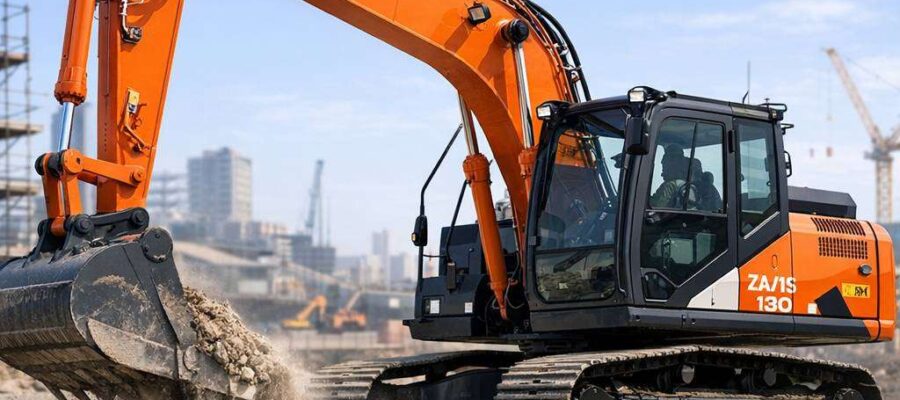
The Hitachi ZX130 is a compact hydraulic excavator that’s well-regarded in urban and tight-access sites for delivering reliable performance without compromising efficiency. In this review, we examine how the ZX130 stacks up in real-world conditions, with a focus on productivity, fuel efficiency, and operator comfort. Whether you’re evaluating a used Hitachi ZX130 or considering a rental from a trusted supplier, understanding its strengths and limitations is essential for planning successful projects.
This article provides a professional breakdown of the ZX130’s key specifications, performance metrics, and practical applications. We’ll explore typical workloads, attachment compatibility, and maintenance considerations to help you determine if this machine aligns with your site requirements and budget.
Performance and Powertrain
The ZX130 is powered by a robust engine that delivers solid breakout force and smooth, responsive operation across a range of tasks. Its hydrauIcs are tuned for precise control, making it suitable for trenching, loading, and material handling on compact site footprints. Operators often praise the machine for predictable digging cycles and stable travel performance, even when fully loaded.
A common point of discussion among operators who use a used Hitachi ZX130 is the balance between power and fuel efficiency. The excavator typically offers competitive fuel consumption for its class, thanks to efficient hydraulic flow management and intelligent engine load strategies. When paired with the right operator technique and attachment, the ZX130 can maintain steady production on busy sites without frequent refuelling.
Reach, Digging Depth, and Reach Capabilities
The ZX130’s build supports a versatile digging envelope that suits mid-range excavation tasks. Its reach and digging depth are adequate for many commercial and infrastructure projects, enabling trenching and backfilling work between piles and utilities. The machine’s compact dimensions help it navigate confined spaces encountered in urban developments, partially offsetting the typical limitations of larger excavators.
In practice, the ZX130’s reach characteristics make it a dependable choice for operators who need a capable, all-purpose excavator on site. The balance between agility and lifting capacity means it can handle loading duties, hose-downs, and controlled trenching efficiently when paired with appropriate attachments.
Arm and Bucket Options
Attachment compatibility is a key consideration for maximising a ZX130’s value on site. The machine supports a range of bucket shapes and sizes, as well as auxiliary hydraulics for breakers, shears, grapples, and other implements. This flexibility is particularly important when dealing with varied ground conditions, utility installations, or remediation work.
Operators with experience of the zx130 often note that choosing the right bucket width and tooth configuration can materially influence cycle times and fuel use. For example, a narrower bucket can improve fine grading and trenching speed in tight spaces, while a wider bucket boosts productivity for loading and stockpiling tasks.
Operator Comfort and Controls
As with many Hitachi models, the ZX130 offers a well-designed operator’s compartment with ergonomic controls and clear instrumentation. A comfortable seat, intuitive lever layout, and good visibility from the cab contribute to reduced operator fatigue on longer shifts. For rental fleets and used Hitachi ZX130 units, standardised cab ergonomics help ensure consistent performance across multiple machines and operators.
Advanced features, such as automatic idle control and programmable performance modes, allow operators to tailor the machine’s behaviour to the specific job. This can help maintain steady production while reducing fuel consumption and wear.
Reliability and Maintenance
Reliability is a hallmark of Hitachi excavators, and the ZX130 is no exception. With proper maintenance, fluids, filters, and track shoes are kept in good order, the machine can deliver consistent uptime on busy sites. When evaluating a used Hitachi ZX130, checking service records, hydraulic gasket integrity, and swing motor wear is prudent, as these components can significantly influence lifecycle costs.
Routine inspections focus on hydraulic pressures, cooling fan condition, and undercarriage wear. For rental operators, a proactive maintenance plan that includes daily pre-start checks and scheduled servicing helps sustain optimum performance and reduces the risk of unexpected downtime.
Efficiency and Operating Costs
Fuel efficiency is a practical consideration for project budgeting, particularly on lengthy contracts. The ZX130’s hydraulic drive and engine management systems are designed to optimise fuel use during common tasks like trenching, lifting, and material handling. On site, operator skill remains a critical factor in achieving best-in-class efficiency; a skilled operator will exploit the machine’s response characteristics, maintaining steady, deliberate movements that minimise wasteful cycles.
From an economic perspective, the ZX130 tends to offer a compelling total cost of ownership when used in the right applications. For buyers or renters comparing options, this model can deliver strong performance without the higher operating costs associated with larger excavators, provided the job scope aligns with its capabilities.
FAQ: Hitachi ZX130
What is the Hitachi ZX130?
The Hitachi ZX130 is a compact excavator designed for versatility on construction sites. It features a robust engine, adjustable digging depth, and efficient hydraulics to handle tasks such as trenching, loading, and site clearance.
What are the key specs of the Hitachi ZX130?
Key specifications typically include engine power, operating weight, bucket capacity, hydraulic flow, digging reach, and swing radius. Exact numbers can vary by model year and configuration, so check your specific machine’s data plate or the official Hitachi spec sheet for precise details.
What projects is the Hitachi ZX130 best suited for?
The ZX130 is well-suited for medium-duty excavation, trenching, utility work, site preparation, and urban projects where space is limited but payload and reach are required.
What maintenance does the Hitachi ZX130 require?
Regular maintenance includes:
- Daily checks: fluid levels, undercarriage condition, tracks or pads, and looking for leaks.
- Scheduled servicing: engine oil and filter changes, hydraulic oil and filter changes, air filter replacement, and coolant checks.
- Undercarriage inspection and track tension.
- Inspection of pins, bushings, and quick-attach (if equipped) wear.Refer to the operator’s manual for the maintenance schedule and intervals.
How fuel-efficient is the Hitachi ZX130?
Fuel efficiency depends on operating conditions, load, and maintenance. The ZX130 is designed with efficient hydraulic systems and eco-friendly features in many configurations, but actual fuel consumption varies with workload and operating practices.
What attachments are compatible with the Hitachi ZX130?
Common compatible attachments include different bucket sizes, breakers/hammers, grapples, thumbs, and augers. The machine typically supports a hydraulic quick-attach system for easy switching. Always verify compatibility with your specific model and hydraulic flow rate.
Can the Hitachi ZX130 be rented, and what are rental considerations?
Yes, the ZX130 is a common rental option for contractors. Consider:
- Availability and lead times
- Rental duration and any mileage or utilisation limits
- Operator qualification requirements or optional operator rental
- Delivery, setup, and swing radius considerations on site
- Maintenance responsibilities during the rental period
What safety features does the Hitachi ZX130 have?
Typical safety features include ROPS/FOPS-certified operator cabin, seat belt interlock, load-sensing hydraulic system, backup alarm, swing brake, travel alarms, and documented maintenance to ensure safety-critical components are in good condition.
What training is recommended for first-time users?
New operators should complete site-specific safety training, machine operation training for the ZX130, and read the operator’s manual. Training should cover e-stop procedures, quick-attach usage, safe digging practices, and on-site hazard awareness.
How do I troubleshoot common issues with the Hitachi ZX130?
Common checks include:
- Engine won’t start: verify fuel, battery, and security interlock status.
- Low hydraulic power: check hydraulic oil level, leaks, and filter condition.
- Unusual noises or excessive vibration: inspect for loose pins/bushings, track tension, and component wear.
- Slow or uneven travel: check undercarriage, track tension, and brake/steering systems.Consult the service manual or a qualified technician for persistent issues.
Where can I find parts and service for the Hitachi ZX130?
Authorized Hitachi dealers and service centers offer OEM parts and certified service. Your local plant machinery supplier or rental company can also provide parts availability, routine maintenance, and authorised technician support.
If you’d like, I can tailor these FAQs to a specific audience (buyers, renters, or service technicians) or add region-specific financing and service options.
Practical Uses on Construction Sites
- Trench digging and utility installation in urban surrounds where space is limited.
- Site clearance, loading of excavated material, and stockpiling in mid-size projects.
- Light demolition and breaking tasks when paired with a hydraulic breaker.
- Utility rehabilitation tasks and pipeline work that require precise control and compact reach.
For those evaluating a used Hitachi ZX130, or scanning rental fleets for the zx130, it’s important to assess the machine’s provenance, service history, and current condition. A properly maintained ZX130 can offer reliable performance across a variety of mid-scale projects, especially where manoeuvrability and efficiency are valued.
The Hitachi ZX130 delivers reliable performance, durability, and precise control for mid-range projects. Operators appreciate smooth hydraulics and fuel efficiency on diverse sites. Whether renting or purchasing, our inventory supports versatile applications and efficient timelines. For more options, visit https://www.sjhallplant.com.
Summary of Specifications (Typical)
- Engine: Compact diesel with a balance of power and efficiency
- Operating weight: Mid-range for compact to mid-sized excavators
- Digging depth and reach: Suitable for trenching and mid-range excavation
- Attachments: Compatible with buckets, breakers, grapples, and other hydraulics
- Cab: Ergonomic with clear visibility and adjustable controls
If you are considering a buying decision or rental option, you may encounter terms such as “hitachi zx130” or “zx130” across different listings. These identifiers reference the same compact excavator family and can be found in both new and used Hitachi catalogues, as well as on various rental inventories. Always verify the machine’s service history, hydraulic integrity, and undercarriage wear when assessing a used Hitachi ZX130.
For projects that prioritise compact size, reliable performance, and cost-effective operation, the ZX130 remains a dependable option in the Hitachi line-up.