
As artificial grass grows in popularity, homeowners and commercial property managers alike have discovered its myriad benefits: low maintenance, enhanced aesthetics, and an evergreen appearance regardless of the season. However, while artificial turf may require less upkeep than natural grass, it still needs care to maintain its appearance and functionality. With the right techniques, you can enjoy your artificial lawn for many years, but common mistakes can lead to unnecessary wear and tear.
Understanding the maintenance of artificial grass is crucial. Frequent missteps can not only diminish the overall quality of your lawn but may also result in costly repairs or replacements. Therefore, equipping yourself with the right knowledge on maintaining artificial grass is essential for preserving its long-lasting allure. Let’s explore some of the most common mistakes in artificial grass care and maintenance, along with expert tips on how to avoid them.
To maintain artificial grass effectively, regular upkeep is essential. A thorough cleaning routine not only enhances its appearance but also prolongs its lifespan. For expert guidance and services, visit https://www.artificialgrassmaintenance.co.uk, where you can find tips on removing debris and ensuring proper drainage. Additionally, periodic brushing and inspection for pests will help you keep your artificial lawn looking lush and vibrant all year round.
Neglecting Regular Cleaning
One of the primary mistakes made by artificial grass owners is the assumption that their lawn does not need regular cleaning. While artificial turf is indeed designed to withstand various weather conditions, debris—such as leaves, dirt, and pollen—can accumulate over time. When left unattended, this build-up not only detracts from the beauty of your lawn but may also lead to mould and unpleasant odours.
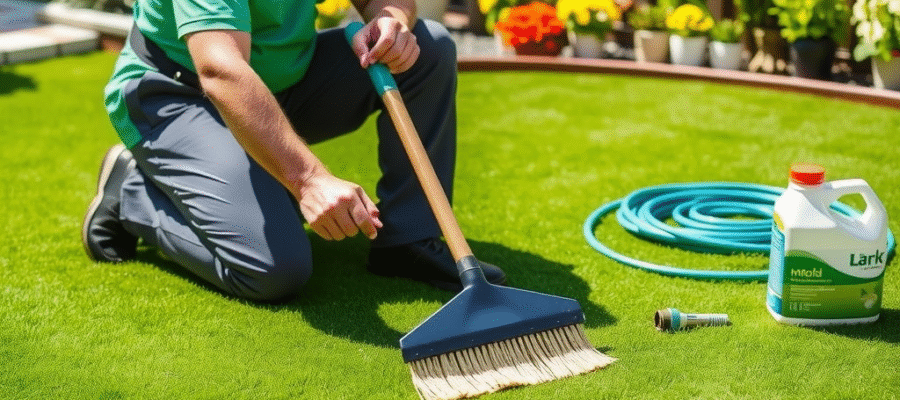
To maintain artificial grass, it’s vital to implement a consistent cleaning routine. This can involve using a leaf blower, stiff-bristled broom, or even a vacuum designed for outdoor use to remove loose debris. For stubborn stains or spills, a simple mixture of soap and water can effectively treat the area. Be careful with harsh chemicals, as they can damage the grass fibres and shorten its lifespan. Investing in an artificial grass maintenance package that includes routine cleaning and inspections can greatly assist in keeping your turf in prime condition.
Overlooking the Importance of Infilling
Infilling is a crucial step in the installation and ongoing maintenance of artificial grass. This helps support the grass blades, providing stability and ensuring a more natural appearance. However, many homeowners fail to check or replenish infill material regularly, leading to an uneven surface and diminished resilience.
To maintain artificial grass effectively, ensure that your turf retains an adequate amount of infill. The type and amount of infill can differ based on the grass type, but a general rule of thumb is to have a depth of about 10-15mm. Regularly inspect the infill level and top it up as necessary, particularly after heavy rains or foot traffic that may cause settling. If you’re unsure how to correctly infill, consider seeking out artificial grass maintenance services near you for professional guidance.
Improper Drainage Maintenance
Artificial grass is known for its excellent drainage properties. However, over time, blockages in drainage channels can occur due to debris accumulation or compacted soil. This can lead to standing water, which not only looks unattractive but can also promote the growth of bacteria and fungi.
To maintain your artificial grass effectively, regularly check to ensure that any drainage systems or holes are clear. If you notice that water is pooling in certain areas, it may be time to reassess the installation layout or investigate the drainage capabilities. In many cases, professional maintenance of artificial grass may be necessary to rectify severe drainage issues, so don’t hesitate to engage experts.
To effectively maintain artificial grass, regular care is essential for longevity and appearance. Visit https://www.lazylawn.co.uk/diy/aftercare/ for tips on cleaning, brushing, and ensuring proper drainage, to keep your lawn vibrant.
Using the Wrong Cleaning Products
When it comes to artificial grass care and maintenance, selecting the appropriate cleaning products is vital. Unfortunately, many owners make the mistake of using harsh chemicals believed to be suitable for outdoor cleaning. These products may not only damage the synthetic fibres of the grass but also pose a risk to nearby plants and pets.
To protect your investment, always opt for pH-balanced or eco-friendly cleaning solutions. Gentle, biodegradable soaps mixed with water are typically sufficient for standard cleanings. For specialised treatments—such as stain removal—consider contacting a professional service familiar with the specifics of artificial grass maintenance. They will not only use the right products but also employ techniques that are safe for your lawn.
Ignoring Wear and Tear
Although artificial grass is designed to be durable, it is not immune to wear and tear, especially in high-traffic areas. Many homeowners neglect the signs of damage, thinking that their turf can withstand anything. Ignoring issues such as frayed edges, discolouration, or lifted seams can ultimately lead to more significant damage that may require costly repairs or replacement.
Regular inspections of your lawn should be part of your maintenance routine. Look out for any signs of wear, including areas that may need reshaping or re-gluing. Early detection of these issues not only preserves the aesthetics of your lawn but also extends its overall lifespan. Engaging an artificial grass maintenance package can be a cost-effective solution to keep your turf looking pristine, as professionals will spot problems you might overlook.
Failing to Train Pets
Many pet owners love the idea of artificial grass, believing it to be a mess-free alternative to traditional lawns. However, pets can be a significant challenge if they haven’t been trained correctly. Frequently allowing pets to dig, chew, or urinate on the turf without supervision can lead to irreversible damage.
Taking time to train your pets to use designated areas or to discourage digging will significantly protect the integrity of your artificial grass. Additionally, promptly cleaning up after your pets is essential; vinegar and water solutions can neutralise pet odours without harming the grass. Always keep an eye out for any potential issues, as your furry friends’ habits can profoundly affect your lawn’s condition.
To ensure your outdoor space looks pristine, it’s essential to learn how to maintain artificial grass properly. Regular brushing helps keep the fibers upright and prevents matting. Additionally, rinse away debris and pet waste to prolong its lifespan. Occasional infill replenishment can enhance durability and improve drainage. By following these simple care tips, you can enjoy a vibrant, low-maintenance lawn all year round.