
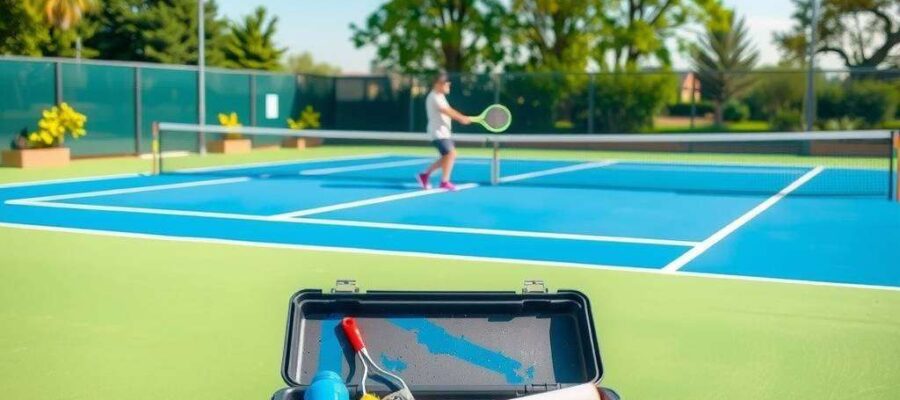
Tennis is a sport that requires precision, skill, and, most importantly, a well-maintained playing surface. Over time, even the best tennis courts can deteriorate due to wear and tear, weather conditions, and heavy usage. Tennis court resurfacing is a vital process that restores your court’s functionality, safety, and aesthetics. Whether you have a traditional hard court, a clay court, or an artificial grass tennis court, understanding the resurfacing process and maintenance required is essential. In this guide, we will explore the critical aspects of tennis court resurfacing, maintenance, and how to keep your court in peak condition.
Why Resurface a Tennis Court?
Resurfacing is crucial for various reasons. First and foremost, it ensures player safety. An uneven or cracked surface can lead to injuries, affecting players’ performance and enjoyment of the game. Additionally, a well-maintained court enhances the playing experience, offering optimal bounce and traction.
Moreover, regular tennis court repairs and resurfacing can prolong the lifespan of your court. Ignoring wear and tear can lead to more significant issues, resulting in costly repairs. The process of resurfacing not only addresses surface-level issues but also helps in maintaining the court’s overall integrity and aesthetic appeal.
Tennis court resurfacing is essential for maintaining optimal play conditions and safety. Over time, surfaces can wear down, impacting performance and increasing injury risk. Regular resurfacing helps restore the court’s integrity and enhances the playing experience. To ensure your tennis court remains in top shape, consider investing in quality materials and accessories. For excellent products, visit https://www.tenniscourtsupply.com/Clay-Court-Accessories_c_149.html. Prioritize your game today!
Tennis court resurfacing is essential for maintaining optimal playability and safety on the court. Regular resurfacing helps to restore the court’s surface, ensuring proper traction and reducing the risk of injuries. To learn more about the benefits of high-quality tennis court resurfacing, visit www.artificialgrassmaintenance.co.uk. Whether you have an acrylic or a hard court, timely maintenance can prolong its lifespan and enhance your playing experience. Invest in your court today!
The Resurfacing Process
The tennis court resurfacing process generally involves several key steps that can be divided based on the type of surface you have—whether it’s a hard court, clay court, or an artificial grass tennis court.
1. Assessment and Preparation
Before diving into resurfacing, a thorough assessment is necessary. Inspect the court surface for signs of cracks, damage, or wear, and take note of any areas requiring special attention. For artificial grass courts, look for areas where the grass is worn or timber edging is becoming loose.
After the assessment, the court needs to be cleaned thoroughly. Tennis court cleaning involves removing debris, leaves, and other contaminants that can hinder the application of resurfacing materials. For hard courts, this typically includes power washing the surface to eliminate mould and mildew, while clay courts may require brushing to restore the surface texture.
Tennis court resurfacing is essential for maintaining optimal play conditions. It enhances performance, safety, and aesthetics. When considering this upgrade, consult professionals to ensure quality work. For expert services and more information, visit https://www.artificialgrassmaintenance.co.uk, and transform your tennis experience today!
Tennis court resurfacing is essential for maintaining optimal playing conditions. Regular upkeep prevents damage and enhances performance. For effective maintenance tips, check out this guide: https://www.edwardssports.co.uk/news/post/tennis-court-cleaning-made-easy. Invest in your court today for a smoother game tomorrow!
2. Repair Work
Once the court has been cleaned, it’s essential to conduct any necessary repairs. This step includes filling in cracks, smoothing out uneven surfaces, and fixing any drainage issues. For hard courts, use a suitable filler for cracks and then ensure a level surface. For clay courts, repairing any low spots and making sure the drainage systems are functioning properly is crucial.
For artificial grass tennis courts, check the seams and infill material. If there are areas where the grass is thinning or damaged, it may be necessary to replace sections or re-infill the court to maintain an even surface.
FAQ: Tennis Court Resurfacing
What is tennis court resurfacing?
Tennis court resurfacing is the process of renewing the playing surface of a tennis court to restore its appearance and functionality. This can involve repairing cracks, applying new layers of material, and ensuring optimal playing conditions.
When should I consider resurfacing my tennis court?
You should consider resurfacing your tennis court when you notice visible wear and tear, such as cracks, fading colours, or uneven surfaces. Typically, courts may need resurfacing every 3 to 5 years depending on usage and environmental factors.
What are the benefits of tennis court resurfacing?
Resurfacing a tennis court offers several benefits including improved playability, enhanced safety (by reducing hazards like cracks), better drainage, revitalised aesthetics, and increased property value.
How long does the resurfacing process take?
The duration for tennis court resurfacing can vary based on the size of the court and weather conditions. Generally, it takes about 1 to 2 weeks from start to finish. This includes preparation work like cleaning and repairs before applying new surface materials.
Can I resurface my own tennis court?
While it’s possible to perform DIY repairs or minor touch-ups on your own, professional assistance is recommended for full-scale resurfacings. Professionals have experience in selecting appropriate materials and techniques that ensure durability and performance.
What surfaces are available for tennis courts during resurfacing?
Common surfaces available during Tennis Court Resurfacing include acrylic hard courts, clay courts (including green clay), grass courts, and cushioned asphalt systems. Each type has its advantages regarding play characteristics and maintenance needs.
How much does it cost to resurface a tennis court?
The cost of resurfacing a tennis court can vary widely based on factors such as location, type of surface used, extent of repairs needed before surfacing begins – typically ranging from $2,500 to $10,000 or more for professional services.
Will my ongoing maintenance change after we resurface our soccer field?
Yes! Regular maintenance practices may change post-resurface as certain materials require different care routines; consult with professionals about proper procedures post-resurfacer ensure longevity!
Is there any warranty associated with basketball circuit resurfaces?
Most reputable contractors offer some form warranty covering installation quality & material defects – typically lasting between one year & five years depending upon service agreement terms established prior project initiation!
3. Resurfacing
The resurfacing itself can vary based on the court type. Hard courts are generally resurfaced with acrylic coatings, which provide a durable and weather-resistant finish. This system typically involves applying multiple layers, allowing time for each coat to cure adequately.
Clay courts require a different approach, usually involving the application of new clay or a synthetic clay mixture. The process may include adding more clay to specific areas to ensure an even playing surface.
For artificial grass courts, resurfacing may not be as intensive as with hard or clay surfaces. It often involves re-adding infill and may include reseaming if there are any visible seams or areas of wear. This maintenance ensures the court retains its performance characteristics and remains safe for players.
Maintaining Your Resurfaced Court
Post-resurfacing maintenance is essential to keep your newly resurfaced court in excellent condition. Here are some key maintenance tips:
-
Regular Cleaning: Keeping your tennis court clean is crucial. Regularly remove leaves, debris, and any foreign objects to prevent damage and maintain the court’s aesthetics. For hard and artificial grass courts, weekly cleaning using a broom or blower is beneficial.
-
Monitor for Damage: After resurfacing, keep an eye out for any new cracks or uneven areas. Prompt attention to these issues can prevent them from becoming more significant problems.
-
Seasonal Maintenance: Depending on your location, seasonal changes can affect your tennis court. In colder climates, it’s essential to prepare the court for winter by clearing snow and ensuring proper drainage to avoid ice damage.
-
Professional Inspections: Hire experts for regular inspections and maintenance, especially following heavy usage periods or severe weather conditions. Professional services can often perform tennis court repairs that may be beyond DIY capabilities, ensuring a longer lifespan for your court.
Regular Cleaning: Keeping your tennis court clean is crucial. Regularly remove leaves, debris, and any foreign objects to prevent damage and maintain the court’s aesthetics. For hard and artificial grass courts, weekly cleaning using a broom or blower is beneficial.
Monitor for Damage: After resurfacing, keep an eye out for any new cracks or uneven areas. Prompt attention to these issues can prevent them from becoming more significant problems.
Seasonal Maintenance: Depending on your location, seasonal changes can affect your tennis court. In colder climates, it’s essential to prepare the court for winter by clearing snow and ensuring proper drainage to avoid ice damage.
Professional Inspections: Hire experts for regular inspections and maintenance, especially following heavy usage periods or severe weather conditions. Professional services can often perform tennis court repairs that may be beyond DIY capabilities, ensuring a longer lifespan for your court.
By following these guidelines on tennis court resurfacing and maintenance, you can create a safe, enjoyable space for players of all levels. Whether you’re considering tennis court installation, exploring options for artificial grass tennis courts, or seeking advice on tennis grass court maintenance, this knowledge will ensure your court remains in top form for years to come.