
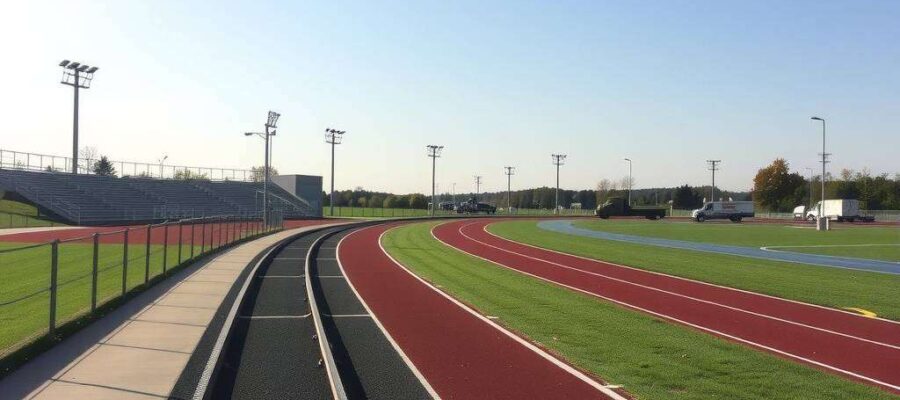
Maintaining an athletic track isn’t just about keeping it looking neat; a well-kept surface protects athletes from injury and helps performance. In my experience as a maintenance expert, the best results come from a clear plan, proper cleaning, and repairs that stay true to the original materials. This guide provides a practical, expert approach to bringing your surface back to peak condition, with tips on equipment, materials, and timing that you can apply today.
running track repair We specialize in durable surface restoration, assessing cracks, rutting, and drainage issues. Our team offers precise repairs, improving grip, reducing injuries, and extending the lifespan of athletic facilities. We use trusted materials, advanced sealing, and efficient contingency planning to minimize downtime for clubs, schools, and professional facilities seeking reliable upkeep. Contact us for a free assessment.
Assessing the surface: what to look for before you repair
Start with a thorough walk-round of the running track and lanes. Look for:
- Cracks, spalling or flaking of the top layer, especially around joints and seams.
- Delamination where the outer surface separates from the substrate, or any raised edges along lane lines.
- Patches of colour change, wear patterns in high-traffic zones, or uneven areas that could indicate substrate movement.
- Wet or puddled areas after rain, poor drainage, or slope issues that cause standing water.
- Loose or peeling infill, exposed backing layers, or damaged seam channels.
Take clear notes and photographs of every problem area, noting approximate dimensions in metres. Use a tape measure or metre ruler for accuracy. This assessment is the backbone of athletic track maintenance, helping you prioritise repairs and create a workable timetable. If you have access to a simple moisture test or a penetrometer, use them to gauge substrate conditions beneath the surface. Finally, check access points and ensure you have the right protective gear and signage to keep everyone safe during subsequent work.
What is running track repair?
Running track repair refers to restoring a track’s surface to safe, consistent running conditions. It covers diagnosing wear and damage (cracks, ridges, rutting, coating wear, drainage problems), then applying appropriate fixes such as crack sealing, pothole or patch repairs, resurfacing or recoating, and, if needed, drainage improvements or full replacement. Regular repair helps maintain performance, safety, and a longer lifespan for the track.
When should a running track be repaired?
Repair should be considered when you notice any of the following: visible cracks or peeling coating, rutting or uneven lanes, standing water after rain, soft or spongy spots, unusual noises or bounce underfoot, or after severe weather events that cause damage. If damage impacts performance, safety, or drainage, it’s wise to schedule repair promptly rather than waiting for it to worsen.
How do you tell if a running track needs repair?
Look for these signs:
- Cracks and fissures in the surface or base layers
- Peeling, flaking, or worn coating
- Rutting, depressions, or uneven lanes
- Water pooling or poor drainage
- Soft, sunken areas or reduced spring in the surface
- Loose lane markings or edges pulling awayIf several indicators are present, or if water intrusion is evident, it’s time to have a professional assessment.
What are common running track repair methods?
Common methods include:
- Crack sealing or filling with track-grade polyurethane or hot-applied sealants
- Pothole or localised patch repairs using compatible binder and materials
- Surface recoating or resurfacing with polyurethane/EPDM rubber or similar systems
- Overlays or partial resurfacing to restore uniform thickness
- Drainage improvements to prevent future water damage
- Re-marking lanes after repairs and resurfacingNote: For synthetic or polyurethane tracks, specialised materials and equipment are typically required.
How long does a running track repair last?
Durability depends on the repair type, surface, climate, and usage:
- Minor crack sealing or patch repairs: typically 1–5 years
- Surface recoating or overlays: about 5–10 years
- Full resurfacing or major reconstruction: often 10–20 yearsRegular maintenance can extend service life, while heavy use or harsh weather can shorten it.
How much does running track repair cost?
Costs vary widely by surface type, extent of damage, track size, and regional labour rates. As a rough guide:
- Minor repairs (crack sealing, small patches): several hundred to a few thousand dollars
- Moderate repairs or resurfacing of portions: tens of thousands of dollars
- Full resurfacing or major reconstruction: tens to hundreds of thousands of dollarsFor an accurate estimate, get quotes from certified track repair contractors who can assess your specific track and materials.
Can I repair a running track myself or should I hire a pro?
For most synthetic or polyurethane running tracks, professional repair is recommended. These surfaces require specialised sealants, equipment, and curing conditions to maintain performance and safety. Minor, non-structural maintenance (cleaning, debris removal, basic inspections) can be done by facilities staff, but for cracks, potholes, overlays, or resurfacing, hire a qualified contractor with track experience and proper certifications.
What maintenance can extend track life?
- Schedule regular inspections (seasonally or after severe weather)
- Clean the surface and remove debris to prevent grip issues
- Address drainage problems to avoid water damage
- Seal cracks early with compatible materials
- Recoat or resurface per the manufacturer’s guidelines (often every 5–10 years)
- Manage vegetation around the track to prevent root intrusion and surface damage
- Limit heavy loads or equipment on the track when not designed for it
Are there safety considerations after repair?
Yes. After repair:
- Stop use if the surface is curing or restricted (follow contractor guidance)
- Post warning signs where work is ongoing
- Allow proper curing time before returning to full training use
- Use protective footwear and avoid sharp objects that could damage a fresh surface
- Regularly monitor repaired areas for signs of new damage or wear
Who should I hire for running track repair?
Look for:
- Contractors with proven track repair or resurfacing experience
- Certifications or affiliations with track surface manufacturers
- References from similar facilities
- Clear written methods, materials, timelines, and warranty details
- Proper insurance and safety practices
- Detailed quotes and a transparent project plan
How do I choose the right repair solution for my track?
Consider:
- Track type and age (synthetic/polyurethane vs. asphalt or cinder)
- Extent of damage and whether a patch or full resurfacing is needed
- Climate, usage level, and performance requirements (e.g., sprint vs. distance lanes)
- Budget and available downtime
- Manufacturer recommendations and warranty terms
- Long-term maintenance plan and access to skilled technicians
What are signs of urgent repair beyond routine maintenance?
Urgent repairs are advised if you observe:
- Large cracks widening rapidly
- Visible delamination or edge separation
- Sags, soft spots, or near-failure of the surface
- Water leakage through the surface or into the base
- Cracking around lane lines that could be a safety hazard during sprints
If you detect any of these, contact a qualified track repair contractor promptly.
If you’d like, I can tailor these FAQs to your specific track type (synthetic polyurethane, EPDM surface, asphalt track, etc.) or generate a version optimised for SEO with meta descriptions and keywords.
Step-by-step repair process
This section lays out a practical sequence you can follow to restore the surface, regardless of whether you’re dealing with a polyurethane system, a rubberised base, or a mixed substrate. Always refer to the manufacturer’s guidelines for compatibility before applying products.
1) Prepare and secure the site
- Close the affected lanes or sections to athletes and spectators.
- Remove loose debris with a broom or leaf blower, then cover surrounding areas to protect them from dust and overspray.
- Put on appropriate PPE and ventilate if you’re using solvent-based products.
2) Thorough cleaning
- Begin with a generous clean using an athletic track cleaner to remove oils, rubber dust, and surface contaminants. For stubborn grime, a mild detergent and soft scrub can help; avoid high-pressure jets that could damage the surface.
- Rinse thoroughly and allow to dry completely. This running track cleaning step is essential to ensure good adhesion for repairs.
3) Repair small cracks and edge damage
- For hairline cracks, apply a compatible crack filler or polyurethane sealant with a narrow nozzle, then smooth with a plastic spreader.
- Compact lightly to ensure the filler makes solid contact with the crack walls and joints.
- Allow the product to cure according to the manufacturer’s timing.
4) Patch larger damaged areas
- Remove loosely bonded material and clean the area again.
- Apply a patching compound or resurfacer designed for your surface type, pressing it into voids and feathering the edges to blend with the surrounding area.
- Build in thin layers if required, allowing each layer to cure before applying the next.
5) Re‑seam and edge restoration
- If seams have opened or edges are lifting, re-seal with a seam adhesive or edge sealant suitable for running tracks.
- Smooth along the seam to prevent trip hazards and ensure uniformity.
6) Recoat or reseal (if applicable)
- Some systems benefit from a fresh top-coat or sealant to restore UV resistance and surface resilience.
- Choose products compatible with your existing layer and colour, and apply as a thin, even film per the spec sheet.
- Allow full cure time in a well-ventilated area before re-opening the track.
7) Inspect, test and re-open
- Do a final inspection for smoothness, adhesion, and colour uniformity.
- If safe, perform light use to check how the surface behaves under traffic, then gradually reintroduce full training sessions.
- Keep a log of work done and any ongoing maintenance notes for future reference.
This approach supports both running track repair and longer-term performance. If you’re unsure about substrate integrity or the best products to use, consult a specialist. A well-executed repair plan now saves time and money later, and protects athletes who rely on a consistent, reliable surface.
Maintenance and prevention: extending life and performance
Ongoing care is the key to long-term success. Implement a straightforward maintenance programme that can be integrated into regular facility management:
- Schedule regular athletic track cleaning and inspections, ideally monthly, with a more thorough review after heavy use or weather events.
- Use the right products: avoid harsh solvents that can degrade the surface. An athletic track cleaner used as part of a dedicated running track cleaning routine helps preserve colour, texture and slip resistance.
- Address drainage promptly. Poor drainage accelerates wear and promotes crack propagation, so fix ponding and regrade where necessary as part of athletic track maintenance.
- Protect the surface from contaminants such as oils, fuels or chlorine, which can compromise the binder and lead to premature deterioration.
- Recoat and reseal on a planned cycle, as recommended by the surface manufacturer, to maintain performance and warranty compliance.
- Document every inspection and repair with dates, locations, and outcomes. A well-kept log supports budgeting and helps you anticipate future needs.
With a clear programme for athletic track maintenance and the right repairs, your running track will stay safe, perform consistently and serve your athletes well for seasons to come.