
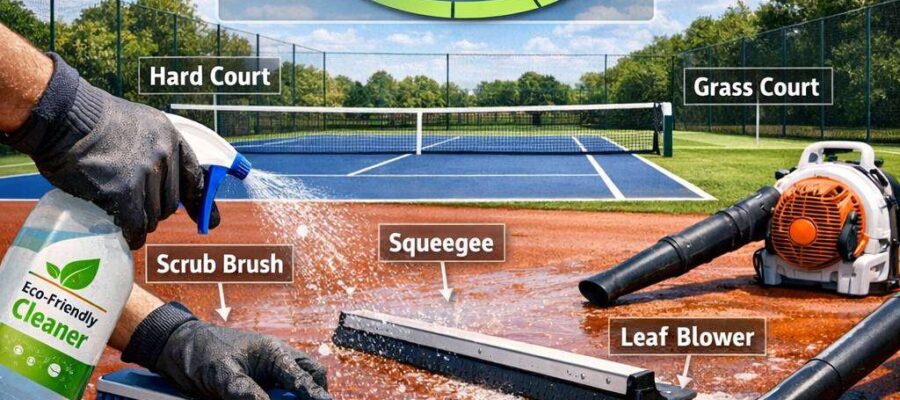
Tennis court cleaning is a crucial, often underappreciated aspect of facility management. A well-maintained surface not only prolongs the life of the court but also ensures consistent playability and safer conditions for players. Whether you oversee a public park, a private club, or a school facility, understanding the correct techniques, appropriate tools, and optimal timing will minimise downtime and maintenance costs. This guide provides an expert overview of best practice in tennis court cleaning, with a focus on artificial grass tennis surfaces and traditional hard courts alike.
A well-kept court enhances performance, reduces injury risk, and preserves the aesthetic value of your venue. From routine debris removal to more advanced maintenance tasks, adopting a structured approach to tennis court cleaning can also streamline tennis court maintenance schedules and budgeting. The emphasis here is on practical, field-tested methods that work across different surfaces, including artificial grass tennis courts and other common materials.
Tennis court cleaning is essential for safe play, longevity, and optimal surface performance. Regular upkeep prevents corrosion, mold, and slipperiness, ensuring courts remain inviting and durable for all players. Visit https://www.artificialgrassmaintenance.co.uk for maintenance guidance.
Surface assessment and cleaning priorities
Begin with a thorough inspection to identify areas subject to wear, staining, or drainage issues. For artificial grass tennis court surfaces, check for uneven pile, embedded debris, and infill distribution. For hard courts, inspect cracks, colour consistency, and any efflorescence or mould growth. Your cleaning priorities should include:
- Debris removal: leaves, twigs, and cat litter or sand from access paths adjoining the court.
- Surface brushing: minimising compacted debris and maintaining pile alignment on artificial grass.
- Stain and mould treatment: targeted cleaning agents appropriate to the surface, followed by thorough rinsing.
- Drainage check: ensuring that water drains freely to prevent puddling and surface damage.
Techniques for artificial grass tennis court cleaning
Artificial grass tennis surfaces are robust but require careful handling to preserve pile height and infill distribution. Key techniques include:
- Dry debris removal: use a soft-bristle brush or a wide-throw blower to lift loose debris without grinding the fibres.
- Brush and groom: regular brushing in different directions keeps the fibre upright and maintains uniform play characteristics. A mechanical harrow or power brush can be effective for larger venues.
- Infill management: monitor sand or rubber crumb infill levels and top up as needed to maintain surface resilience and drainage.
- Stain treatment: for organic stains, use a mild, pH-neutral cleaner diluted according to manufacturer guidelines. Rinse thoroughly to remove residues that could attract further debris.
- Sanitisation: if permitted by the manufacturer, consider periodic sanitisation to manage mould and algae growth, especially in shaded or damp locations.
FAQ: Tennis Court Cleaning
What is tennis court cleaning?
Tennis court cleaning involves removing dirt, debris, and contaminants from the surface of tennis courts to maintain playability, safety, and longevity. It can include sweeping, washing, vacuuming, degreasing, and routine maintenance tailored to the court type (concrete, asphalt, clay, or synthetic).
How often should a tennis court be cleaned?
Frequency depends on usage, location, and surface type. Most outdoor courts benefit from:
- Light cleaning weekly to remove dust and leaves
- Deeper cleaning monthly or seasonally
- Special cleanings after heavy windstorms, rain, or spillsClay courts require more frequent grooming and rolling, while hard courts may need periodic pressure washing and sealant reapplication.
What are common cleaning methods for hard (concrete/asphalt) courts?
Common methods include:
- Sweeping or power sweeping to remove loose debris
- Pressure washing with suitable pressure and detergents
- Debris removal from lines and nets
- Surface sealing or resealing to protect against stains and wear
- Periodic resurfacing as needed
How do you clean clay tennis courts?
Clay courts require different care:
- Regular brushing to maintain the playing surface and remove dry material
- Watering as needed to control dust and dust-formed clumps
- Drag brushing or matting to smooth the surface
- Rolling to maintain firmness and consistent play
- Prompt cleanup of spills to avoid staining
Can cleaning affect playability and court safety?
Yes. Proper cleaning helps maintain traction, reduces slip hazards, preserves line visibility, and extends surface life. Over-wetting, harsh chemicals, or aggressive methods can damage coatings or surfaces, so use appropriate products and techniques for your specific court type.
What cleaning products should be used for tennis courts?
- Mild, court-appropriate detergents or cleaners recommended by the court manufacturer
- For hard courts, non-abrasive cleaners and low-foam detergents
- For clay courts, products designed to control dust and maintain moisture
- Avoid bleach or harsh solvents that can damage surfaces or harm the integrity of coatings
Do I need to hire a professional for tennis court cleaning?
Not always. Routine maintenance can be DIY for small courts or light cleaning. However, professional cleaning is beneficial for:
- Deep cleanings, pressure washing, or resealing
- Resurfacing or line repainting
- Specialized clay court grooming and maintenance
- Regular inspections and preventive maintenance
How to choose a tennis court cleaning service?
Consider:
- Experience with your court type (clay, hard, or artificial)
- References and portfolio of similar projects
- Certifications and safety practices
- Availability for routine maintenance schedules
- Clear pricing and written service scope
How long does tennis court cleaning take?
Service duration varies by court size, surface type, and cleaning intensity. Light weekly cleaning can take under an hour for a single court, while deep cleanings or resealing may take several hours and require drying time.
What maintenance steps follow cleaning to extend life?
- Regular debris removal and brushing
- Prompt spill cleanup
- Re-sealing or resurfacing when recommended
- Proper line marking upkeep
- Seasonal inspections for cracks, wear, and drainage issues
Are there environmental or safety considerations?
Yes. Use eco-friendly cleaners when possible, follow manufacturer guidelines, and ensure proper drainage to avoid runoff. Wear appropriate protective gear and comply with local regulations for chemical usage and waste disposal.
How much does tennis court cleaning cost?
Costs vary widely based on court type, size, cleaning depth, and location. Basic routine cleaning may range from modest hourly rates to per-court fees, while deep cleaning and resurfacing are more substantial investments. Request quotes from providers with a detailed scope of work.
Techniques for non-artificial surfaces (hard courts)
Tennis court cleaning on hard surfaces requires a slightly different approach:
- Sweeping and washing: regular sweeping removes loose surface dirt, followed by low-pressure washing to remove embedded grime. Use a detergent suitable for the court material to maintain colour and integrity.
- Crack and joint care: inspect for cracks and repair early to prevent water ingress and structural deterioration.
- Algae and moss control: on damp or shaded courts, apply approved algaecide or moss killer, then scrub and rinse. Ensure compatibility with the court finish.
- Colour and coating preservation: use compatible cleaners to avoid stripping coatings or causing hip friction issues for players.
Tennis court cleaning keeps surfaces safe and pristine, preventing slips and wear on acrylic courts. Regular maintenance extends lifespan, preserves playability, and enhances aesthetics. For professional guidance, consultexperienced specialists: artificialgrassmaintenance.co.uk for tailored cleaning solutions.
Tools and equipment for tennis court cleaning
Choosing the right tools makes a tangible difference in efficiency and results. Consider:
- Brooms and brushes: soft-bristle brushes for artificial grass to avoid fibre damage; harder brushes for hard courts where appropriate.
- Debris removal: leaf blowers (battery or petrol, depending on site noise restrictions) and large range entry brooms for easy sweeping.
- Automations: for larger facilities, consider a court-cleaning tractor or robot designed for artificial grass surfaces to maintain even pile and infill.
- Cleaning agents: pH-neutral cleaners for artificial grass; surface-specific cleaning products for hard courts; always verify compatibility with the surface, warranty, and environmental regulations.
- Drainage aids: squeegees and water pumps for efficient removal of surface water after cleaning.
Cleaning frequency and scheduling
Effective tennis court maintenance relies on a consistent schedule:
- Daily: quick debris removal and visual inspection after play.
- Weekly (seasonal adjustments): mechanical brushing for artificial grass tennis court surfaces; sweeping and light washing for hard courts; address any staining or algae growth.
- Monthly: more thorough cleaning, surface checks for wear, and infill top-ups for artificial grass courts.
- Seasonal/annual: deep cleaning, full inspection, and necessary tennis court repairs. Coordinate with tennis court installation and maintenance records to align with any refurbishment plans.
Maintenance integration with installation, repairs, and ongoing upkeep
Tennis court maintenance should dovetail with broader facility management. Key integration points:
- Pre-installation assessment: pre-emptive planning for drainage, sub-base stability, and surface protection to avoid premature wear.
- Ongoing monitoring: keep a log for tennis court maintenance activities, noting weather impact, cleaning frequency, and observed surface changes.
- Repairs and resurfacing: address minor defects promptly to prevent escalation; plan for resurfacing or replacement in line with manufacturer guidelines and budget constraints.
- Material compatibility: ensure cleaning products and maintenance practices are compatible with artificial grass tennis or other court surfaces to maintain warranties and performance.
Best practices for safe and effective cleaning
- Use appropriate PPE: gloves, eye protection, and ventilation for chemical cleaners.
- Test cleaners on a small area first to confirm compatibility and avoid discolouration.
- Protect surrounding landscaping: manage runoff and prevent cleaning agents from entering adjacent areas.
- Document outcomes: maintain photos and notes on surface conditions and mitigations for future reference.
Common pitfalls to avoid
- Over-wetting artificial grass: excessive water can disturb infill and compact fibres.
- Using aggressive cleaners on artificial grass: this can degrade fibres and shorten the court’s life.
- Ignoring drainage: poor drainage accelerates surface wear and increases maintenance costs.
- Skipping routine inspections: small issues become costly repairs if left unchecked.
Choosing the right partner
When selecting a maintenance provider, assess their experience with tennis court artificial grass, as well as traditional tennis court cleaning, installation, and repairs. Look for evidence of ongoing tennis court maintenance programmes, clear reporting, and a transparent pricing structure that aligns with your facility’s needs. A trusted team will tailor a cleaning regime to your specific surface, usage, and climate.