
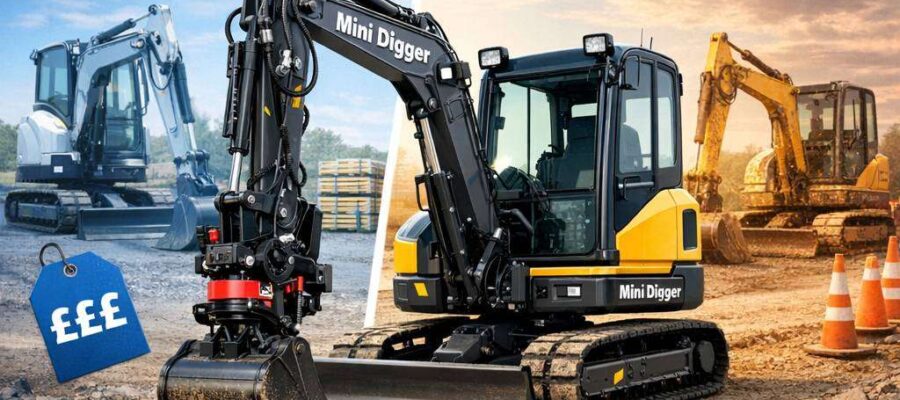
Mini diggers for sale are a smart investment for builders seeking efficiency and versatility on busy sites. Our selection includes compact, fuel-efficient models ideal for tight spaces, trenches, and groundwork. With reliable performance and easy maintenance, these machines help you complete projects faster. Explore options, compare features, and find flexible purchasing or rental plans to fit your budget. For more details, visit https://www.sjhallplant.com and discover why our mini diggers are trusted by professionals across the industry.
When you’re gearing up for a project, choosing the right mini digger can save time, money, and a lot of stress. Whether you’re a contractor, a DIY enthusiast, or a small-scale civil engineer, the decision between new and used mini diggers for sale is a common hurdle. This guide aims to illuminate the key considerations, so you can make a confident, well-informed choice that fits your budget and project needs.
Mini diggers are versatile workhorses on site. They excel at trenching, landscaping, and utility installation in tight spaces where larger machines simply won’t fit. As you explore options, remember that the best deal isn’t always the cheapest one. It’s about reliability, uptime, and total ownership cost over the life of the machine.
Factors to Consider Before You Buy
- Project requirements: Depth, reach, lift capacity, and the type of attachments you’ll use most.
- Site conditions: Ground hardness, access limitations, and travel permissions on-site.
- Local support: Availability of parts, qualified technicians, and service intervals in your area.
New Mini Diggers: Benefits and Trade-Offs
- Reliability and warranty: New mini diggers come with manufacturer warranties, minimising initial maintenance concerns.
- Latest technology: Modern engines, hydraulic systems, and safety features can improve efficiency and reduce fuel consumption.
- Peace of mind: With a new machine, you’re less likely to encounter unexpected wear-related failures in the early months.
However, there are some trade-offs to weigh:
- Upfront cost: New machines carry a premium price tag.
- Depreciation: A new mini digger loses value as soon as it’s driven off the showroom floor.
- Lead times: If you have strict project deadlines, wait times for new stock can be a constraint.
Used Mini Diggers: Benefits and Trade-Offs
- Lower upfront cost: Used mini diggers for sale can provide substantial savings, allowing you to stretch your budget further.
- Slower depreciation: A used machine has already absorbed the initial depreciation, which can be advantageous for resale value.
- Immediate availability: Pre-loved machines are often ready for delivery, which can be a boon for time-sensitive projects.
The risks with used mini diggers include:
- Unknown maintenance history: The previous owner’s service records may be incomplete.
- Potential wear and tear: Components such as the undercarriage, hydraulic pumps, and boom can show signs of heavy use.
- Lower resale confidence: Depending on age and condition, you might face limited demand if you decide to upgrade later.
Key Checks for Buying Used Mini Diggers
- Service records: Request comprehensive maintenance logs, especially for hydraulic systems and engine.
- Visual inspection: Look for leaks, corrosion, leaks around seals, and wear on tracks or wheels.
- Operational test: Run the digger through its pail and reach tests, verify smooth hydraulic motion, and listen for unusual noises.
- VIN and hours: Compare engine hours with usage; very high hours for the age of the machine could indicate heavy wear.
- Certification: Ensure safety features, ROPS, and seat belts are intact and compliant with current regulations.
- Parts availability: Confirm that parts are readily available and affordable from local suppliers.
Financing and Budgeting Tips
- Total cost of ownership: Include maintenance, insurance, fuel, parts, and potential downtime when evaluating price.
- Leasing and hire options: Short-term hire can bridge gaps if your project scope fluctuates, without committing to long-term ownership.
- Trade-in value: If you already own equipment, consider how a trade-in could subsidise a newer, more suitable model.
- Warranty and service plans: Some retailers extend warranties on certain used machines or offer service packages for peace of mind.
Choosing the Right Model and Attachments
- Track width and ground protection: If you’re working on sensitive turf or uneven ground, select a model with appropriate undercarriage options.
- Power and hydraulics: Match engine power and hydraulic flow to the tasks you’ll perform most often.
- Attachments: Buckets, breaker, auger, and trenching attachments can dramatically expand the utility of your mini digger. Ensure compatibility and consider quick-coupler systems to swap attachments quickly on site.
Where to Buy: New vs Used Channels
- Reputable dealers: Buying from established dealers offers verification, service support, and clearer warranty terms.
- Private sellers: Can present bargains, but come with higher risk requiring thorough due diligence.
- Online marketplaces: Helpful for surveying options, but require careful verification of machine history and condition.
Maintenance Habits for Longevity
- Regular servicing: Adhere to manufacturer schedules for oil changes, filter replacements, and hydraulic checks.
- Cleaning and protection: Keep the undercarriage clean to prevent rust and track damage.
- Timely repairs: Address leaks, abnormal noises, or performance drops promptly to prevent cascading failures.
Final ThoughtsWhether you opt for a new mini digger or a well-maintained used model, the right choice aligns with your project’s scale, budget, and schedule. A thoughtful buy—paired with proactive maintenance—will yield dependable performance, better uptime, and a smoother workflow across your site.
If you’d like, I can tailor this guide to your specific project size, soil type, and regional service availability, and suggest concrete models in the mini diggers for sale that fit your criteria.