
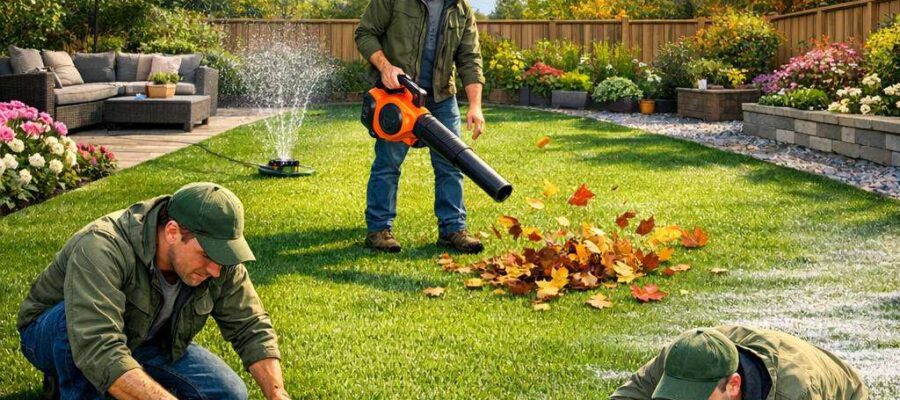
Maintenance of artificial grass is simple with regular brushing, debris removal, and periodic infill checks. For detailed guidance visit https://www.artificialgrassmaintenance.co.uk. This keeps fibers upright, prevents matting, and ensures optimal performance, drainage, and longevity in any lawn or sports turf setting.
Maintenance of artificial grass is essential for lasting appearance and safety. Regular brushing, leaf removal, and periodic infill checks keep fibers upright and drainage clear. For expert help, visit https://turfresh.com/austin/contact/service-areas/austin-tx/ to connect with a local specialist. Routine cleaning and seasonal professional service maximize durability, aesthetics, and performance of your synthetic lawn.
Artificial grass is a resilient, low-maintenance option for gardens, balconies, and sport surfaces. Yet to keep it looking pristine and performing well through every season, a disciplined approach to artificial grass care and maintenance is essential. This guide outlines practical, year-round strategies to protect and extend the life of your fake lawn, whether you are in the UK or beyond.
Seasonal attention begins with a solid routine. A consistent programme of cleaning, brushing, and debris removal prevents wear and keeps fibres upright, enhancing drainage and playability. When you establish a seasonal maintenance rhythm, you minimise the risk of staining, odours, and pest issues, and you maximise the aesthetic appeal of your investment.
In addition to standard upkeep, many homeowners and facilities managers inquire about professional services. A reputable artificial grass maintenance service can provide a customised plan, on-site assessments, and access to equipment or treatments not suitable for DIY application. Whether you are searching for artificial grass maintenance near me or seeking a broader maintenance package, partnering with the right provider can yield long-term savings and superior results.
H2: Spring Cleaning: Resetting After Winter
- Clear debris: Leaves, pine needles, seed heads, and litter should be removed regularly. Use a plastic rake or a soft-bristle brush to avoid fibre damage.
- Remove pathogens and odours: Rinse the surface with clean water to dilute salt residues and pet waste. For persistent odour, a diluted mild detergent solution can be used, followed by thorough rinsing.
- Brush fibres: Use a power or manual brush to lift flattened blades and restore a natural grass appearance. Brushing improves drainage by preventing compacted thatch.
- Check infill levels: If your system uses infill (e.g., sand or rubber), check for even distribution and replenish as necessary to maintain stability and softness underfoot.
- Inspect edges and seams: Look for loose seams or loose edging; address promptly to prevent further damage and trips.
H2: Summer Maintenance: Heat, Traffic, and Drainage
- Manage heat exposure: While artificial grass keeps surfaces cool relative to concrete, prolonged heat can soften some backing materials. Ensure adequate shade in peak sun hours where possible and avoid heavy concentrated traffic on hot surfaces.
- Remove wheelchair and sports traffic marks: High-traffic zones can develop compacted fibres. Re-brush these areas to restore fibre orientation and improve drainage.
- optimise drainage: Summer storms can overwhelm systems with heavy rainfall. Clear drainage channels and ensure no external debris blocks fall-through grates or perforations.
- Pet care considerations: For pet owners, clean up waste promptly and rinse with water to prevent staining and odours. If odours persist, consider a pet-safe cleaning solution recommended by your artificial grass maintenance service.
- Ongoing inspection: Regular checks of seams, joints, and edging help prevent costly repairs in autumn.
H2: Autumn Anticipation: Preparing for Leaffall and Wet Weather
- Rake and clear leaves frequently: A steady stream of leaves can suffocate the turf, promote staining, and encourage mould growth. Use a plastic rake to avoid blade damage.
- Deep clean to remove moisture: Wet leaves can cling to fibres, leading to moss or mould. Remove debris and brush thoroughly to maintain airflow and drying.
- Treat moss and mould: If moss or algae appear, apply a light, turf-safe treatment recommended by your maintenance professional, followed by thorough rinsing.
- Reassess infill and padding: Autumn is an ideal time to reassess comfort underfoot. Refill and relevel if necessary to keep drainage efficient and fibres resilient.
H2: Winter Wisdom: Cold Temperatures and Protection
- Minimise freeze-thaw stress: In cold climates, ensure the surface remains unblocked to allow water to drain. Snow should be removed carefully with a soft brush or scoop, never with a sharp implement that can damage the fibres.
- Keep edges secure: Winter winds can loosen edging and degrade the installation. Check and reseal as needed to prevent movement.
- Manage moisture accumulation: Wet weather can promote mildew on shaded installations. Rinse occasionally with clean water and maintain airflow to dry out thoroughly.
- Seasonal maintenance package considerations: If you engage a maintenance artificial grass package, your provider may offer winter-specific treatments or inspections designed to reduce long-term wear and tear.
H2: Professional vs DIY: Choosing the Right Maintenance Approach
- DIY maintenance: Routine cleaning, brushing, and basic leaf removal are well within reach for most households. Use mild cleaning solutions sparingly and ensure you follow manufacturer guidelines to protect fibres and backing.
- Maintenance packages: A seasoned artificial grass maintenance uk provider can tailor a programme to your site, climate, and usage. Packages may include yearly inspections, edge resealing, in-fill replenishment, deep cleans, and hazard mitigation. When seeking artificial grass maintenance near me, compare offerings and ensure compatibility with your system’s backing and fibre type.
- Maintenance artificial grass fundamentals: Key performance indicators include drainage efficiency, fibre lift, weed control around borders, and pet odour management. Your service provider should document visits and provide actionable recommendations for ongoing care.
Tips for best practice across the year
- Use a soft-bristle brush or plastic rake for grooming; avoid wire brushes that can fray fibres.
- Clean spills promptly to prevent staining; blot rather than rub to minimise fibre disturbance.
- Avoid harsh chemicals; use products recommended by the turf manufacturer or your maintenance service.
- Schedule annual assessments to calibrate your artificial grass maintenance package to changing climatic conditions and usage patterns.
With thoughtful seasonal care, artificial grass maintains its beauty, resilience, and practicality year after year. Whether you manage the space yourself or rely on a dedicated artificial grass maintenance service, consistent attention to cleaning, grooming, drainage, and edge security will deliver outstanding, enduring results. If you are considering professional support, explore options for artificial grass maintenance uk providers or local artificial grass maintenance near me to identify a plan that aligns with your site and budget.
Note: This blog intentionally avoids a concluding section, in line with your specifications. If you would like a closing summary or a call to action, I can add a tailored closing paragraph.
Maintaining a pristine landscape starts with smart maintenance of artificial grass. Regular brushing, debris removal, and seasonal grooming keep fibers upright and even textures, while periodic cleaning prevents odor buildup and mold. For busy properties, automate irrigation-free care and schedule efficient maintenance routines that minimize downtime and maximize curb appeal. Explore practical tips and professional insights in this guide: https://turfresh.com/blog/helpful-artificial-grass-maintenance-tips-for-busy-apartment-managers/. Consistent upkeep sustains longevity, look, and safety for residents.
Maintenance of artificial grass is essential for durability and a pristine appearance. Regular brushing removes debris and protects pile longevity, while periodic rinsing keeps it free of dust and odors. For professional guidance, consult the resources provided at https://www.southernturfco.com/how-to-maintain-artificial-turf-grass/; it covers cleaning schedules, infill management, and preventive care. Mindful upkeep reduces bacteria buildup and drainage issues, ensuring a safe, evergreen lawn year-round. Consistent maintenance of artificial grass yields lasting beauty and functional performance.