
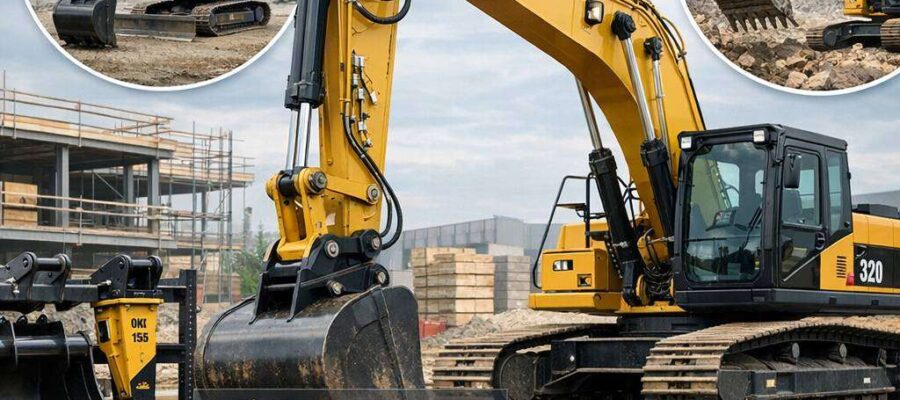
Explore reliable options for excavators for sale from SJ Hall Plant, featuring well-maintained machines suitable for a variety of projects. Our inventory includes different brands, sizes, and capabilities, all backed by transparent condition notes and competitive pricing. With flexible purchasing and financing plans, you can choose the right excavator to boost productivity on site. excavators for sale Discover how easy it is to upgrade your fleet today.
Looking for excavators for sale? Explore reliable options, competitive pricing, and flexible purchasing terms at https://www.sjhallplant.com. Our range includes compact and heavy-duty models, ideal for construction projects of any scale.
An introduction to selecting the ideal excavator for your project begins with assessing the scope, site conditions, and long-term needs. Whether you are outfitting a new fleet or sourcing a single unit, making an informed decision on excavators for sale can save time, reduce running costs, and improve productivity. This guide provides practical criteria to help you compare options, with emphasis on the differences between new, used mini excavators, and second hand excavators, so you can choose a machine that fits both the project requirements and budget.
Assess the project requirements
Start by defining the core tasks the excavator will perform. Consider factors such as digging depth, reach, boom swing, and the type of material you’ll be handling. For small urban sites or trenching work, a compact machine with limited footprint and weight might be preferable, whereas larger sites may benefit from greater lifting capacity and hydraulic reach. Understanding the anticipated workload, cycle times, and expected daily utilisation will guide your decisions on horsepower, hydraulic flow, and attachment compatibility.
Decide between new and used options
When evaluating excavators for sale, you’ll typically weigh new versus used equipment, and within the used category, assess second hand excavators and used mini excavators. New machines come with the latest fuel-efficient engines, enhanced emission controls, modern instrumentation, and full manufacturer warranties. They can provide superior reliability and lower maintenance risk, but at a higher upfront cost.
Used excavators offer significant cost savings and can be a smart choice for operators with steady demand or tight budgets. Key considerations for buyers include:
- Hours of operation: A lower-hour machine is generally preferable, but inspect the hour meter for accuracy.
- Maintenance history: A comprehensive service record helps gauge longevity and upcoming replacement parts.
- Condition of critical components: Track chain, undercarriage wear, hydraulic pumps, pumps, cylinders, and bucket linkage can indicate remaining useful life.
- After-sale support: Availability of parts and local service networks can influence ownership costs.
For smaller projects or restricted budgets, second hand excavators can provide a compelling balance of price and capability. Always arrange a qualified inspection and, if possible, request a test run to assess performance and responsiveness.
Match machine size to site constraints
Excavators come in a range of sizes, from compact mini excavators to large 20-ton-plus machines. The right size hinges on site clearance, access, and ground conditions. Consider:
- Track or wheeled variants: Tracks offer stability and reduced ground pressure on uneven terrain; wheels can provide faster travel between sites.
- Dig depth and reach: Ensure the selected model can reach the required depths and heights for loading, trenching, or utility installations.
- Operating weight and transport: Check transport regulations and the feasibility of moving the machine between sites, including any required permits.
For urban excavation, a compact excavator with a tight tail swing and variable undercarriage may minimise disruption while delivering the required performance.
Evaluate attachment compatibility and versatility
A critical factor is how the excavator will adapt to various tasks through attachments. Common options include:
- Buckets (general purpose, narrow, or rock)
- Hydraulic breakers for concrete and rock breaking
- Augers for pole installations
- Grapples for demolition or material handling
- Tiltrotators for precise angled work
Ensure the chosen model supports the attachments you’ll need and that hydraulic flow and pressures align with attachment requirements. If you anticipate frequently changing tasks, a Bluetooth or CANbus-compatible control system can simplify operation with multiple attachments.
Consider operator comfort and availability of support
Operator efficiency correlates to machine ergonomics, control layout, visibility, climate control, and cabin comfort. A comfortable operator reduces fatigue on long shifts and can improve precision and productivity. Additionally, consider the availability of skilled technicians and local parts supply, especially if you are purchasing second hand excavators. Access to timely maintenance and repair services can significantly lower downtime and lifecycle costs.
Analyse running costs and lifecycle considerations
Beyond the purchase price, running costs influence total cost of ownership. Factor in:
- Fuel efficiency and engine power
- Hydraulic system efficiency and leak minimisation
- Annual maintenance costs and parts availability
- Insurance, tax, and depreciation
- Resale value for used units, particularly if you plan to upgrade or consolidate fleets later
If you opt for a second hand excavator, obtain a detailed maintenance history and consider a pre-purchase inspection by a qualified technician. A reputable dealer should provide transparent provenance, service records, and, ideally, a short-term warranty.
Plan for reliability in challenging conditions
Construction sites often present tough conditions, including dusty environments, uneven ground, and confined spaces. Look for features that enhance reliability:
- Robust undercarriage and guarding to withstand rough terrain
- Effective cooling systems and air filtration
- Lockable hydraulic reservoir and quality seals to prevent contamination
- Electronic monitoring systems that provide real-time fault codes and maintenance prompts
Verify financing and after-sales support
If you are purchasing rather than renting, confirm financing options, trade-in possibilities, and terms. Additionally, ensure the dealer provides after-sales support, including operator training, spare parts availability, and responsive service. For buyers considering used and second hand excavators, verify warranty terms and what is covered, as warranties for older machines may be more limited but can offer peace of mind when sourced from reputable suppliers.
Practical steps to take before purchase
- Define a clear specification list covering digging depth, reach, lift capacity, and preferred attachments.
- Narrow down options to a realistic size and whether to prioritise new or used.
- Arrange a site demonstration or on-site assessment to confirm compatibility with your project conditions.
- Hire or consult with an operator to evaluate tactile feedback and ease of use.
- Obtain a full service history and mechanical inspection report for used or second hand excavators.
- Compare total cost of ownership, including maintenance, fuel, insurance, and depreciation.
Choosing the right excavator for sale involves balancing technical performance with budget, site realities, and long-term needs. By carefully assessing project demands, the condition of used and second hand excavators, and the availability of local support, you can select a machine that delivers reliable productivity from day one. If you’re considering options such as excavators for sale, used mini excavator units, or second hand excavators, consult a trusted supplier who can provide detailed specifications, independent inspections, and transparent ownership terms.