
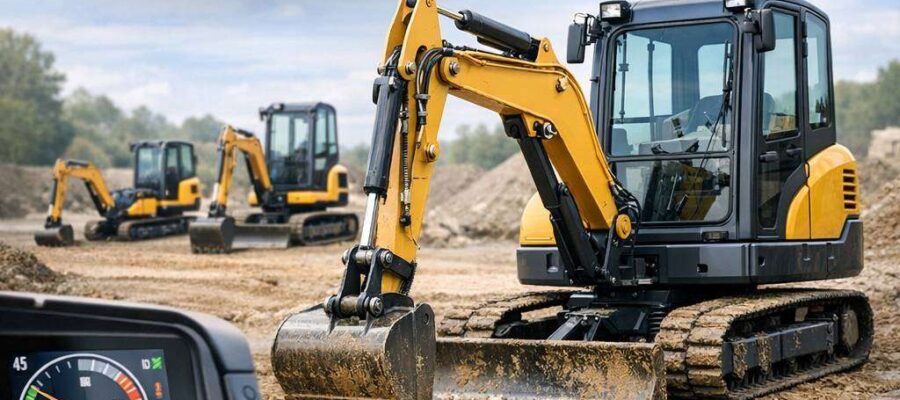
Mini diggers have become a staple for small-scale construction projects, landscaping, and urban renovation where access is limited and precision matters. As an expert in the field, I’ll guide you through the essential considerations when choosing a mini digger, from features to sizes and realistic cost expectations. This guide is designed to help you make an informed decision whether you are purchasing outright, seeking mini diggers for sale, or exploring the options available in the used mini diggers market.
What is a mini digger and why choose one?
A mini digger, also known as a compact excavator, is a versatile piece of plant machinery designed for digging, trenching, and material handling in confined spaces. Their compact size, hydraulic reach, and varied attachment compatibility make them ideal for tasks such as installing drainage, preparing foundations for sheds, or digging trenches for utilities in tight urban environments. Compared with larger excavators, mini diggers offer greater manoeuvrability, reduced ground disturbance, and lower operating costs, which is why many buyers consider them as a practical first step into owning or renting plant equipment.
Sizes and weight classes
Mini diggers are typically categorised by their operating weight, which directly influences digging depth, reach, and transport considerations. Common size ranges include:
- 0.9 to 1.5 tonnes: The smallest class, ideal for indoor work, light gardening, or delicate trenching where access is extremely restricted.
- 1.6 to 2.5 tonnes: A popular mid-range option offering a balance of digging depth and lift capacity while still being highly manoeuvrable.
- 2.5 to 3.5 tonnes: A versatile choice for slightly larger projects, capable of greater breakout force and longer reach without sacrificing agility.
- 3.5 to 4.5 tonnes: A capable size for more demanding excavation work, often used when backfill or trenching is required across modestly challenging sites.
When selecting size, consider access constraints such as doorways, gates, or storage space, as well as anticipated digging depth, reach, and the weight limits of any temporary stations or surfaces the machine may sit on. For those with frequent transport needs, lighter models can be easier to trailer between sites, while heavier models may justify the investment through higher productivity on larger tasks.
Key features to evaluate
When evaluating mini diggers for sale or used mini diggers, certain features can have a significant impact on efficiency, safety, and long-term operating costs:
- Hydraulic power and breakout force: These determine how effectively the bucket can excavate soil and break through compact material. Higher breakout force generally translates to faster digging and better performance on challenging substrates.
- Dig depth and reach: Consider the maximum digging depth and the vertical reach of the dipper arm, as these dictate how deeply you can trench without repositioning the machine.
- Swing and travel speed: A tighter turning radius and efficient slew speed improve working in confined spaces, while travel speed affects how quickly the machine can move between tasks on a site.
- Boom configuration and attachment compatibility: Quick-attach systems and a broad range of compatible attachments (buckets, breakers, augers, rippers) extend the utility of the machine beyond digging.
- Operator ergonomics: Comfort features such as adjustable seating, easy-to-reach controls, visibility, and low noise levels contribute to reduced operator fatigue on longer jobs.
- Ground protection and tracks: Rubber tracks help reduce ground damage on sensitive surfaces, while solid wheels or undercarriage options may suit rough terrain and site conditions.
- Safety features: ROPS/FOGS cab protection, reversing alarms, cameras, and well-designed control layouts reduce risk and assist the operator in busy sites.
Costs: new versus used, rental versus ownership
Budgeting for a mini digger involves several components: purchase price, maintenance, fuel consumption, insurance, and transport. When comparing costs, consider the total cost of ownership over the intended utilisation period.
- New mini diggers: Purchasing new provides the latest emission standards, guaranteed reliability, and full factory support. Prices vary by weight class and features but expect a higher initial outlay. New models often offer longer warranty terms, updated hydraulic systems, and modern telematics for fleet management.
- Used mini diggers: The used market can offer substantial savings, especially for owners prioritising cost efficiency. When evaluating used mini diggers, inspect service records, hours, hydraulic integrity, undercarriage wear, and any signs of overuse or improper maintenance. A well-maintained used machine can deliver excellent value, but be prepared for shorter remaining life in some components and potential downtime for repairs.
- Mini diggers for sale versus rental: For short-term projects, renting can be economical and reduces maintenance responsibilities. Long-term or frequent use may justify purchasing, particularly if the machine will be needed across multiple sites. Some buyers opt for a hybrid approach, renting during peak demand and purchasing a smaller, more cost-effective unit for routine tasks.
- Operating and maintenance costs: Fuel efficiency, hydraulic efficiency, and parts availability influence ongoing costs. Regular servicing, track or undercarriage checks, and timely component replacements prolong machine life and resale value.
Discover the perfect mini digger for tight-site tasks and precise trench work. Our rental fleet offers reliable power, compact maneuverability, and operator support to boost productivity. Explore options and benefits at https://www.jcb.com/en-gb/campaigns/things-you-should-know-about-jcb-electric-mini-diggers.
Practical tips for buying decisions
- Match capacity to the job: Select a size that comfortably handles the expected digging depth, reach, and payload requirements. It’s worth paying a little extra for a model with a higher performance envelope if it reduces the number of passes or the need for repositioning.
- Assess transport options: Ensure you have suitable transport arrangements for moving the machine between sites. Some models are easier to trailer, while heavier variants may require specialist transport.
- Check attachments compatibility: A broad attachment ecosystem increases versatility. Confirm compatibility with your preferred buckets, breakers, augers, and rippers before purchase.
- Inspect fuel type and emissions: Modern mini diggers often use Tier-compliant engines with options for biodiesel or efficient diesel configurations. Consider future cost and regulatory requirements.
- Plan maintenance and support: For used mini diggers, verify service history and availability of spare parts. For new machines, check warranty terms and the availability of certified service partners.
Buying considerations for different scenarios
If you are primarily seeking mini diggers for sale to support a small year-round portfolio of projects, a mid-range model in the 2.0 to 3.0-tonne class often provides a practical balance of power and portability. For contractors focused on tight urban sites or indoor work, the smallest end of the spectrum may be more appropriate. For larger trenching or heavier loading tasks, consider stepping up to the 3.5 to 4.5-tonne range, while bearing in mind transport and site access constraints.
When negotiating on used mini diggers, request a complete service history, confirm the machine’s hours, and arrange an independent inspection if possible. A reputable seller will understand your due-diligence needs and provide transparent information about any known issues or recent repairs.
In sum, choosing the right mini digger requires a careful assessment of site constraints, work scope, and total cost of ownership. Whether you’re purchasing new or used mini diggers for sale, or weighing rental versus ownership, aligning the machine’s capabilities with your project demands will pay dividends in efficiency, safety, and long-term value.
Mini digger hire provides compact power for tight sites, delivering precision and efficiency on every job. Our mini digger fleet is reliable, easy to operate, and suited for urban projects, landscaping, and groundwork. For more information, visit https://www.sjhallplant.com. Rely on our flexible rental options to keep your project on schedule with minimal disruption.