
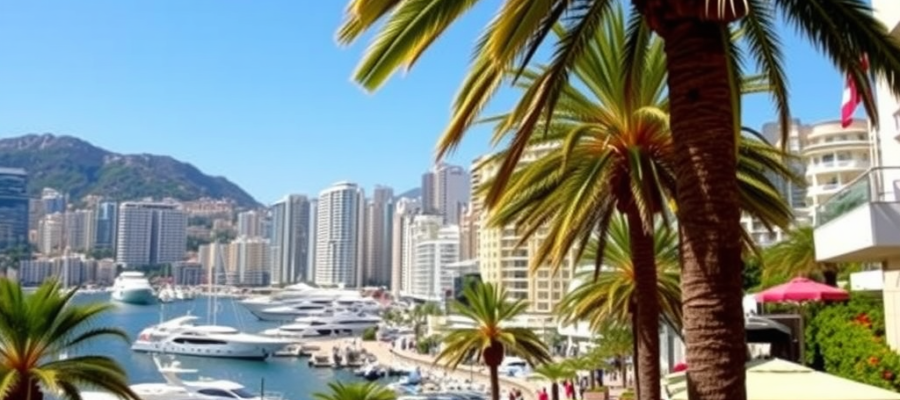
Relocating to Monaco is an exhilarating prospect for many, promising an enviable lifestyle characterised by gorgeous Mediterranean vistas, a bustling social scene, and tax advantages. As one of the world’s most desirable destinations, Monaco presents a unique blend of luxury living, safety, and convenient access to major European economies. This essential guide will provide you with the crucial information and insights necessary for a successful transition to this opulent principality, ensuring that you are well-prepared for all that lies ahead.
Understanding the Cost of Living
Monaco is renowned for its high cost of living, often ranking among the world’s most expensive places to reside. When relocating to Monaco, it is essential to factor in expenses relating to housing, groceries, dining, and leisure activities. Rental prices can be exorbitant, particularly for properties with views of the Mediterranean. Therefore, individuals considering Monaco relocation must be financially prepared for these costs, keeping in mind that while housing may take a significant portion of one’s budget, quality of life also plays a pivotal role in the investment.
Relocating to Monaco offers an unparalleled lifestyle, combining luxury with breathtaking Mediterranean views. Residents enjoy a vibrant culture, excellent schools, and a favorable tax regime. For expert guidance on your move, visit https://www.relocation-monaco.com/.
Residency Requirements
To establish residency in Monaco, individuals must fulfil a series of legal requirements. Initially, it is advisable to either buy or rent property in the principality. The next step involves applying for your residency permit, which necessitates substantiating your source of income. This could be through bank statements, evidence of employment, or proof of assets. Additionally, you will need to provide a clean criminal record and follow specific application procedures through the Monaco authorities.
For EU citizens, moving to Monaco can be relatively straightforward. Still, non-EU citizens should familiarise themselves with more stringent conditions, as employment and residency permits are subject to different regulations.
Property Acquisition
When considering property options during your Monaco relocation, you will find a diverse range of choices available. From luxury apartments perched high above the Mediterranean to charming villas nestled within beautiful gardens, the property market offers something for everyone. Engaging a reputable local estate agent is advisable to navigate the intricacies of the market and secure the best deal for your investment.
It is also essential to understand the strong competition within the property sector. Be prepared for a fast-paced environment where desirable properties may come and go quickly. Thus, it can be beneficial to have your finances in order prior to beginning your search, ensuring that you can act decisively when the right opportunity arises.
Banking and Financial Services
One of the significant attractions of relocating to Monaco is its favourable tax regime. Monaco does not levy personal income tax, a fact that draws individuals seeking to reduce their tax liabilities. Establishing a local bank account can be beneficial for managing your finances effectively and accessing local services.
Monaco is home to numerous prestigious banks that offer tailor-made services tailored to the wealth management needs of high-net-worth individuals. Before opening an account, it is prudent to research the various banking institutions, as financial services can vary widely in terms of fees, investment advice, and account management. It would be wise to consult with a financial advisor familiar with Monaco to ensure that your banking strategy aligns with your overall financial goals.
Culture and Lifestyle
Monaco’s cultural scene offers a rich blend of local and international influences, providing residents with an array of recreational, educational, and entertainment options. The principality is celebrated for its prestigious events, including the Monaco Grand Prix and the Monaco Yacht Show, both of which attract a global audience.
The culinary scene in Monaco is also noteworthy, featuring a wealth of gourmet restaurants, including an impressive number of Michelin-starred establishments. For those relocating to Monaco, exploring local and international cuisine will be an integral part of the experience. Furthermore, the annual Monaco International Circus Festival and various art exhibitions contribute to an active cultural calendar, offering numerous opportunities for residents to engage with the arts.
Family Considerations
For families considering a move to Monaco, the principality boasts an impressive education system, catering to various national and international curricula. International schools provide quality education that aligns with global standards, ensuring that expatriate children can thrive academically.
Healthcare is another significant factor to consider. Monaco’s healthcare system is renowned for offering high standards of medical care; however, securing private health insurance is advised, as some services might not be covered by the state. It is important to thoroughly research healthcare provisions to ensure your family’s needs are adequately met.
Navigating the Social Scene
Networking and building a social circle are critical components of assimilating into life in Monaco. With a vibrant expatriate community, numerous clubs and organisations facilitate social interaction among newcomers. From yacht clubs to business associations, there are ample opportunities to meet like-minded individuals and establish lasting connections.
Engaging in local events, volunteering opportunities, or sporting clubs can greatly enhance your experience, providing a sense of belonging in this unique environment. Participating in community activities will not only enrich your life in Monaco but also help you understand the local culture more profoundly.
Relocating to Monaco is undoubtedly an exciting journey, but it requires careful consideration and planning. By understanding the essential aspects mentioned above, individuals can navigate this captivating destination and begin to enjoy the unparalleled lifestyle that Monaco has to offer.
Relocating to Monaco offers a unique opportunity to enjoy a luxurious lifestyle in one of the world’s most glamorous destinations. With its stunning Mediterranean views, rich cultural heritage, and favorable tax conditions, many find this small principality an attractive place to live. Whether you seek a vibrant social scene or a peaceful retreat, Monaco caters to all preferences. To learn more about the process and considerations involved in relocating to monaco, visit our comprehensive guide today.
FAQ: Relocating to Monaco
What are the requirements for relocating to Monaco?
To relocate to Monaco, you must obtain residency. This typically involves providing proof of accommodation, a clean criminal record, and demonstrating financial stability (e.g., bank statements or proof of income). Depending on your nationality, you may also need a visa.
Is it expensive to live in Monaco?
Yes, living in Monaco is generally considered quite expensive. The cost of housing is particularly high due to the limited space available. Additionally, everyday expenses such as groceries and dining out can be more costly than in many other countries.
How do I find housing when relocating to Monaco?
Finding housing in Monaco can be competitive. It’s advisable to use local real estate agencies specialised in the Monegasque market or check listings online through reputable property websites. Starting your search early and considering temporary accommodations may also help ease your transition.
Are there any tax advantages for relocating to Monaco?
Monaco offers significant tax benefits; specifically, there is no personal income tax for residents (with some exceptions). However, other taxes may apply depending on personal circumstances and investments; consult a tax advisor familiar with Monegasque law before relocating.
What language is spoken in Monaco?
The official language of Monaco is French. English is widely spoken due to the international community residing there, along with Italian and Monégasque being used by some locals.
Can I bring my pets when I relocate to Monaco?
Yes, you can bring pets when relocating to Monaco; however, certain rules apply. It’s important that all pets have valid vaccinations and identification (like microchipping). Be sure to check specific regulations based on your pet’s species and breed before moving.
What healthcare facilities are available in Monaco?
Monaco has excellent healthcare services including both public hospitals and private clinics that offer high-quality medical care often comparable with major cities worldwide. As a resident, you’ll have access to these services either through private health insurance or social security systems depending on your employment status.
How does schooling work if I’m relocating with children?
Monaco provides various educational options ranging from public schools that offer free schooling for residents up till age 16-18 years old as well as several prestigious international schools where courses are taught primarily in English or French adapted for expatriates’ curriculums.
What leisure activities are available after relocating?
There’s plenty of leisure activities offered like upscale shopping experiences along Boulevard des Moulins & Avenue Monte Carlo , various art galleries & museums towards Jardin Exotique . The Riviera boasts year-round events including casino nights , yacht shows & festivals making life vibrant!
Feel free To reach out if you have further inquiries about moving here!