
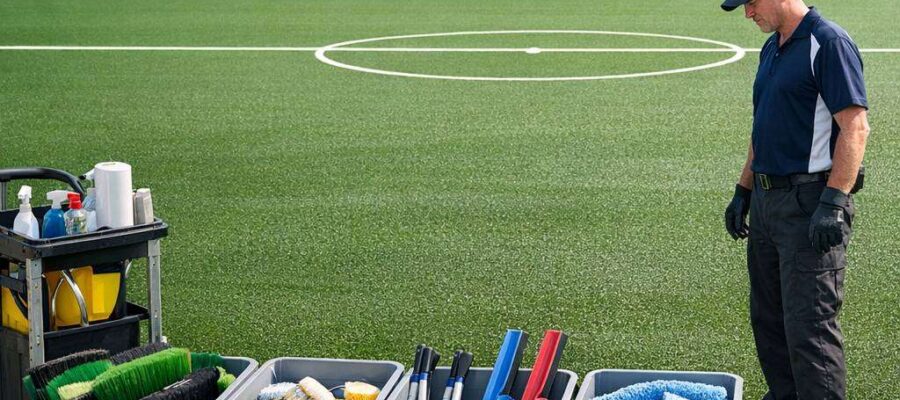
Hockey pitch cleaning is essential for preserving performance, safety, and longevity of playing surfaces. Regular debris removal, brush irrigation, and periodic disinfection help maintain grip and speed while reducing wear on artificial turf. For expert guidance and maintenance services, visit https://www.artificialgrassmaintenance.co.uk to learn about tailored cleaning plans and professional solutions. Adopting a proactive cleaning routine minimizes downtime and keeps games fair, inviting players back week after week.
A meticulous hockey pitch cleaning process ensures optimal playing conditions and safety. Regular maintenance reduces debris and wear, enhances turf grip, and extends surface lifespan. For sponsorship insights, visit https://www.camberwell.hockey/sponsors to learn more.
Welcome to your go-to guide for keeping a hockey pitch in top condition. Whether you’re involved in hockey pitch installation, ongoing maintenance, or planning hockey pitch resurfacing, a well-cleaned and well-cared-for surface supports safer play, longer-lasting turf, and a more enjoyable experience for players. This guide provides practical, expert advice on cleaning, care routines, and best practices to preserve your artificial grass for hockey and the broader health of the pitch.
Understanding the Surface: What You’re Caring For
A modern hockey pitch is often based on artificial grass, commonly referred to as hockey pitch astroturf or artificial grass for hockey. These materials vary in fibre height, infill type, and drainage design, all of which influence cleaning methods. Regular upkeep reduces wear, prevents disease in the turf, and helps maintain consistent ball roll. When planning hockey pitch maintenance, factor in seasonal weather, game frequency, and any authorised chemical treatments that your facility permits.
Routine Cleaning and Daily Care
Daily cleaning is the cornerstone of pristine surfaces. A routine should include:
- Brushing and combing: Use a powered brush or rotor to lift fibres and remove debris. This helps prevent compacted thatch and maintains even ball roll.
- Debris removal: Collect leaves, grit, and litter using a leaf blower or soft broom. Remove clumps from goal mouths and high-traffic zones.
- Litter and spill management: Address spills promptly with appropriate cleaners to prevent staining or chemical damage.
- Drainage check: After heavy rain, ensure surface drains are not blocked. Clear any debris from the drainage channels to avert puddling.
Your daily cleaning plan should be light but consistent, designed to protect the pitch between more intensive maintenance sessions.
Periodic Cleaning and Deep Cleaning Techniques
Beyond daily care, periodic deep cleaning lifts embedded dirt and refreshes the surface. Consider these steps:
- Wet washing: For durable surfaces, a mild detergent diluted in water can loosen grime. Use low-pressure spray equipment to avoid fibre damage. Rinse thoroughly to remove all residues.
- Pressure washing: Use gentle low-pressure settings where appropriate, avoiding direct high-pressure contact with seams or edges. Always test a small area first.
- Sanitisation: If recommended by the manufacturer or governing body, apply a compatible sanitising solution to curb microbial growth, then rinse thoroughly.
- Infill management: If your hockey pitch uses crumb rubber or cork infill, check levels and redistribute or replace as necessary to maintain even footing and safety.
Regular deep cleanings help keep the pitch looking vibrant and performing predictably, reducing the risk of uneven ball bounce.
Hockey Pitch Maintenance: From Minor Repairs to Major Refits
Maintenance encompasses more than cleaning. It includes inspections, minor repairs, and planned upgrades such as hockey pitch resurfacing when deemed necessary. Consider these maintenance actions:
- Fibre and seam inspection: Regularly inspect for loose fibres, lifted seams, or damaged edges. Repair early to prevent further deterioration.
- Infill compaction assessment: Check for compacted infill that reduces cushioning and ball bounce. Top up or replace infill as required.
- Surface levelling: Uneven surfaces can hinder play and increase injury risk. Address any irregularities promptly.
- Chemical treatment check: If your facility uses hockey pitch chemical treatment, ensure compatibility with the turf and follow label directions to avoid damage to fibres or drainage.
- Surface aeration: Periodic aeration can relieve compacted layers, improving drainage and airflow to the root zone of the artificial grass.
For a long-lasting pitch, align maintenance with the manufacturer’s guidelines and your league’s regulations.
FAQ: Hockey Pitch Cleaning
What is hockey pitch cleaning?
Hockey pitch cleaning refers to the process of removing dirt, debris, dust, and organic matter from artificial turf or natural grass hockey pitches to maintain optimal playing conditions, safety, and equipment longevity.
Why is regular cleaning important for a hockey pitch?
Regular cleaning helps prevent abrasion, reduce the risk of injuries, maintain ball roll and speed, extend the life of the turf, and keep drainage efficient by clearing debris that can clog drainage systems.
How often should a hockey pitch be cleaned?
- Artificial turf: routine brushing and debris removal should occur daily during heavy use, with deeper cleaning or grooming weekly or monthly depending on wear. Periodic power brushing and grooming may be required seasonally.
- Natural grass pitches: routine lawn mowing, mowing lines, and removal of litter should occur frequently, with deeper grooming and aeration a few times per year.
What tools are typically used for cleaning artificial hockey pitches?
- Infield brooms and brushes for light debris
- Drag brushes or grooming machines for maintenance brushing
- Leaf blowers or vacuums for loose debris
- Power cleaners or pressure washers for textured surfaces (careful to avoid damage)
- Drainage rakes to clear outlets
Can I use water to clean a hockey pitch?
Water can be used to wash surfaces and remove stubborn residues, but it should be applied sparingly to avoid oversaturation and potential microbial growth. For waterless or low-water maintenance, consider dry brushing and vacuuming.
How do I remove mold, moss, or algae from a hockey pitch?
- For artificial turf: use approved turf cleaners or algaecides compatible with the surface, following manufacturer instructions. Light brushing helps dislodge growth.
- For natural grass: improve drainage, reduce shade, and use suitable fungicides if needed, preferably under guidance from groundskeeping professionals.
Are there downtime considerations after cleaning?
Yes. After cleaning:
- Allow artificial turf to dry before play if heavy moisture was used.
- Avoid excessive moisture immediately after partial cleaning to prevent slippery conditions.
- Schedule maintenance during non-playing hours to minimise disruption.
How can I maintain drainage during cleaning?
Clear debris from drains, outlets, and trenches regularly. Use a rake or narrow broom to keep channels unobstructed and ensure water can flow away quickly after rainfall or cleaning.
What safety precautions should I follow?
- Wear appropriate PPE (gloves, eye protection, non-slip footwear).
- Follow chemical product labels and safety data sheets when using cleaners.
- Ensure players are off the pitch during cleaning and until surfaces are safe to use.
- Avoid harsh high-pressure cleaning that could damage the turf fibers.
Where can I find professional hockey pitch cleaning services?
Search for turf maintenance companies, sports facility maintenance providers, or groundskeeping contractors with experience in synthetic turf or hockey surfaces. Check references, certifications, and whether they offer routine maintenance programs.
How much does hockey pitch cleaning typically cost?
Costs vary by pitch size, surface type (artificial vs. natural), cleaning frequency, and required equipment. Request quotes from multiple providers and ask for a detailed maintenance plan to compare.
Can I implement a DIY cleaning routine?
Yes, for small facilities or light maintenance. Establish a routine:
- Daily: remove litter, sweep debris
- Weekly: brush and groom surfaces, remove embedded debris
- Monthly: deep clean or professional service if needed
- After events: perform targeted cleaning to address spillages or mud
What maintenance plans improve long-term pitch health?
- Regular brushing to lift fibers and keep pile upright
- Debris removal to prevent clogging and staining
- Periodic deep-cleaning with compatible equipment
- Timely weed, moss, or algae control for natural pitches
- Proper aeration and topping (for natural grass)
- Prompt attention to drainage issues after heavy rain
If you’d like, I can tailor these FAQ questions to a specific audience (facility managers, amateur clubs, schools) or adjust for artificial vs. natural pitches.
Hockey Pitch Cleaning: Tools, Products, and Safety
Choosing the right tools and products makes cleaning easier and more effective:
- Tools: Brooms, soft brushes, leaf blowers, low-pressure sprayers, and mechanical sweepers designed for synthetic turf.
- Cleaning products: Use cleaners specified for artificial grass surfaces. Avoid harsh solvents that can degrade fibres or degrade infill. For chemical treatments, follow the label for dilution rates and contact times.
- Safety: Wear appropriate PPE, such as gloves and eye protection, especially when handling cleaning agents or sanitisers. Ensure ventilation when applying chemical treatments and observe local environmental guidelines.
Always follow the manufacturer’s cleaning recommendations for your specific hockey pitch astroturf or artificial grass product. If you’re unsure, contact the supplier or a qualified contractor specialising in hockey pitch installation and maintenance.
Planning for Hockey Pitch Rejuvenation and Resurfacing
Over time, a pitch may require rejuvenation or resurfacing to restore performance. Signs include uneven ball bounce, excessive infill depletion, or persistent staining that cannot be cleaned with routine methods. A professional assessment can determine whether hockey pitch resurfacing is the appropriate next step or if coatings and enhanced infill management will suffice.
When planning rejuvenation, consider:
- Condition assessment: A thorough inspection to establish the extent of wear and any drainage or sub-base issues.
- Options: Seeding or topping up infill, repairs to seams, or a full resurfacing with a new layer of artificial grass.
- Downtime and impact: Plan for pitch closure during resurfacing or major maintenance to minimise disruption to teams.
Longevity Through Proactive Scheduling
A proactive maintenance plan extends the life of your hockey pitch installation and helps you avoid costly, disruptive failures. Schedule:
- Seasonal cleanings aligned with playing calendars.
- Regular inspections by a qualified technician.
- Timely infill top-ups and partial replacements as needed.
By committing to regular cleaning, thoughtful maintenance, and timely resurfacing when warranted, you’ll preserve top performance, safety, and aesthetics of your hockey pitch for years to come. If you’re considering a major upgrade, ensure your plans integrate well with existing systems and routines, keeping a focus on user safety and play consistency.
If you’d like, I can tailor a maintenance calendar to your facility’s usage, climate, and the specific product you have installed.