
Artificial grass has come a long way from its early, rigid-tufted look to today’s natural-looking fibres and advanced underlays. For both domestic lawns and dedicated sports surfaces, a proactive maintenance routine is essential to preserve realism, ensure longevity, and minimise wear. As an expert in artificial grass care and maintenance, I’ll outline practical steps to keep your turf looking pristine and performing reliably all year round.
Understanding the foundations of maintenance artificial grass begins with the product you chose. High-quality synthetic grass features UV-resistant fibres, a supportive backing, and a drainage system designed to cope with typical British weather. Even so, routine upkeep is necessary to prevent matting, prevent odours, and control debris. A comprehensive approach combines regular cleaning, brushing, infill management where applicable, weed control, and seasonal care. This holistic strategy is central to the maintenance of artificial grass and is especially relevant for artificial grass maintenance UK contexts where weather patterns can be variable.
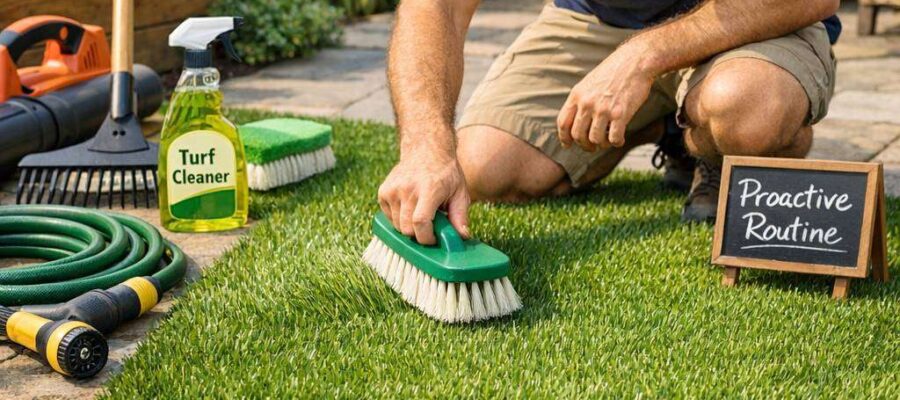
Regular brushing is a cornerstone of maintaining artificial grass. Over time, fibres can flatten in high-traffic zones or under rain-impacted compaction. Brushing in the direction of the fibres with a stiff-bristled brush or a powered brush helps lift the pile, restore upright fibre angles, and improve the overall appearance. For pets, heavy footfall, or multi-use artificial pitches, more frequent brushing is advisable. In addition to brushing, rake or lift coarse debris such as leaves and twigs by hand before they become compacted into the blade tips. A gentle, regular routine reduces the chances of bald patches and maintains an even, lifelike surface.
Debris management is another essential element of artificial grass care and maintenance. Regularly remove litter, pollen, and organic matter that can accumulate and cause discolouration or odours. For lawns in urban areas or near footpaths, this task may be more frequent. A light spring-clean followed by periodic checks during autumn storms keeps surfaces tidy. If your installation includes a sand or rubber infill, monitor infill levels and distribution. Uneven infill can affect drainage and the integrity of the pile, so if you notice splaying or uneven heights, brooming or re-distributing infill can restore uniformity.
Weed control remains a common concern in both domestic and communal settings. While most synthetic grasses resist weed growth, seeds can lodge at the edges or in seams, especially where soil exposure is present around the perimeter. Start with a visual inspection and remove any germinated weeds. If weeds persist, use a non-toxic herbicide suitable for artificial grass or opt for physical barriers and edging to reduce future weed ingress. Always follow the manufacturer’s guidelines and test on a small area first to avoid staining or chemical damage to the turf.
Cleaning spills and stains promptly preserves appearance and hygiene. Urine from pets or food-related spills may cause odours if left untreated. A simple rinse with clean water typically neutralises many odours. For more stubborn marks, a mild soap solution or a specialised artificial grass cleaner can be used. Avoid harsh chemicals, bleach, or solvents that could degrade fibres, backing, or the infill. After cleaning, rinse thoroughly to remove any soap residues, then allow to air dry. In areas with heavy foot traffic or prolonged dampness, ensure ample ventilation to prevent mould growth on the backing, particularly in poorly drained installations.
Seasonal care should reflect the local climate, especially in the UK where weather shifts can be dramatic. Autumn leaves require routine clearance to prevent staining and drainage blockages. Winter rain and frost can increase moisture on the surface; ensure drainage is functioning correctly and inspect for pooling after heavy rain. Spring and summer bring longer sunlight exposure, which is generally beneficial but can contribute to fibre becoming brittle if the turf is subjected to extreme temperatures. In hot spells, avoid placing heavy furniture or sharp-edged tools on the surface, and consider temporary protective measures to reduce wear.
Maintenance of artificial grass extends to structural checks. Periodically inspect seams, edging, and joining tapes to ensure there are no separations that could trap debris or cause trip hazards. Damaged sections may need professional repair, particularly in larger installations or artificial pitch maintenance scenarios. For sports applications, routine inspections by a qualified technician help safeguard performance standards, particularly for ball roll, bounce, and player safety. Keeping a log of maintenance activities—cleaning episodes, reinfestation checks, and repairs—facilitates a proactive approach and supports the longevity of the surface.
The quantity and type of infill, where used, influence both feel and weight distribution. Domestic lawns often rely on minimal or no infill, while significant sports installations may require periodic replenishment. If you notice flattening or a softer surface, topping up infill or re-distributing it with a specialised rake can restore the desired density and resilience. When addressing maintenance artificial grass in multi-use spaces, coordinate with users to schedule infill checks during low-traffic periods to minimise disruption.
Selecting the appropriate maintenance products is critical. British customers often seek guidance about maintenance artificial grass products that are compatible with pet dwellings, food preparation areas, or high-traffic zones. Look for cleaners that are enzyme-based or water-based, non-toxic, and designed for synthetic turf. Avoid bleach and harsh solvents which can degrade fibres or backing. When in doubt, consult the manufacturer’s maintenance artificial grass guidelines or request advice from a qualified installer who understands the nuances of your specific product and its backing material.
Finally, outdoor installation care should not be neglected. Ensure surrounding hard surfaces divert rainwater away from the turf, reducing the risk of pooling. Perimeter edging should prevent soil intrusion and maintain a clean boundary, keeping the maintenance of artificial grass straightforward. If you’re aiming for a pristine, long-lasting surface, committing to a proactive routine—brushing, debris removal, weed control, careful cleaning, seasonal vigilance, and periodic structural checks—will pay dividends in durability and realism. For many users, establishing a regular cadence for artificial grass maintenance near me ensures timely interventions and swift access to expert support when required.
Artificial grass maintenance is essential for keeping your lawn pristine and inviting year-round. Regular brushing, debris removal, and periodic washing prevent matting and odors, while inspecting seams and infill ensures longevity. For reliable guidance, visit artificial grass maintenance and discover practical tips tailored to different surfaces. In addition, use a cooling rinse during hot spells and protect heavily shaded areas to reduce moss growth. Consistent upkeep extends aesthetics, performance, and lifespan beyond expectations.
Artificial grass maintenance is essential for longevity and appearance. Regular brushing, debris removal, and periodic cleaning prevent odors and flattening. For expert tips and professional services, visit https://www.artificialgrassmaintenance.co.uk to learn more and schedule a consultation.