
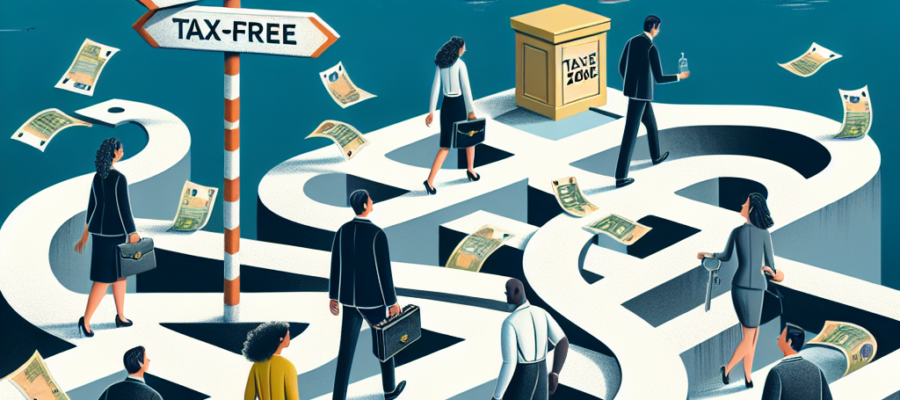
When it comes to minimising tax liability, proper planning is essential. Understanding tax laws and regulations can save you significant money in the long run. If you need help navigating the complexities of taxation, consider seeking assistance from experts like Relocation Monaco. Visit https://www.relocation-monaco.com/ to learn more about their services.
Monaco, known for its luxurious lifestyle and beautiful scenery, is also famous for its unique tax system. As an enthusiast of all things Monaco, delving into the intricacies of the tax system can be both fascinating and overwhelming. With questions surrounding whether Monaco is truly tax free, its tax rates, and its status as a tax haven, navigating the tax system in this tiny principality can be a challenge. However, by understanding the basics of Monaco taxes, one can better appreciate the advantages and complexities of its tax system.
Monaco is often touted as a tax haven, attracting high-net-worth individuals and businesses looking to benefit from its favourable tax regime. One of the most well-known aspects of Monaco’s tax system is that it does not impose income tax on its residents. This has led to the misconception that Monaco is completely tax free, but in reality, there are other taxes that individuals and businesses need to be aware of.
Understanding Monaco Tax Rates
While Monaco may not levy income tax on its residents, it does have other taxes in place. For instance, Monaco does impose a value-added tax (VAT) on certain goods and services, such as luxury items and services in the hospitality industry. The current standard rate for VAT in Monaco is 20%, with reduced rates applying to certain essentials like food and medical services.
In addition to VAT, Monaco also has a business tax that is imposed on companies operating within its borders. The business tax rate in Monaco is set at 33.33% of the company’s profits, with various exemptions and deductions available to help mitigate the tax burden. It’s important for businesses considering establishing a presence in Monaco to carefully weigh the tax implications and seek professional advice to ensure compliance with local tax laws.
Is Monaco truly a Tax Haven?
The idea of Monaco being a tax haven stems from its lack of income tax for residents and its favourable tax rates for businesses. However, it’s worth noting that while Monaco offers certain tax advantages, it is not a free-for-all when it comes to tax planning. The principality has strict anti-money laundering regulations in place to prevent tax evasion and ensure transparency in financial transactions.
Monaco’s status as a tax haven is further reinforced by its network of tax treaties with various countries around the world. These agreements help to prevent double taxation and promote cooperation in the exchange of tax information. For individuals and businesses looking to take advantage of Monaco’s tax benefits, it’s essential to understand the legal and regulatory framework governing taxation in the principality.
In conclusion, navigating the unique tax system in Monaco requires a deep understanding of its tax rates, regulations, and compliance requirements. While Monaco is often perceived as a tax haven due to its lack of income tax for residents, there are other taxes in place that individuals and businesses need to be aware of. By seeking professional advice and staying informed about Monaco’s tax laws, one can make informed decisions when it comes to their financial affairs in the principality. Ultimately, Monaco’s tax system offers a blend of advantages and complexities that make it a fascinating subject for enthusiasts of tax planning and international finance.
Looking to minimise your tax burden? Consider relocating to Monaco, a tax haven for wealthy individuals. With its favorable tax laws and beautiful Mediterranean setting, Monaco is a popular choice for those looking to optimise their finances. Explore your options today at relocation-monaco.com and start planning your tax-efficient move.