
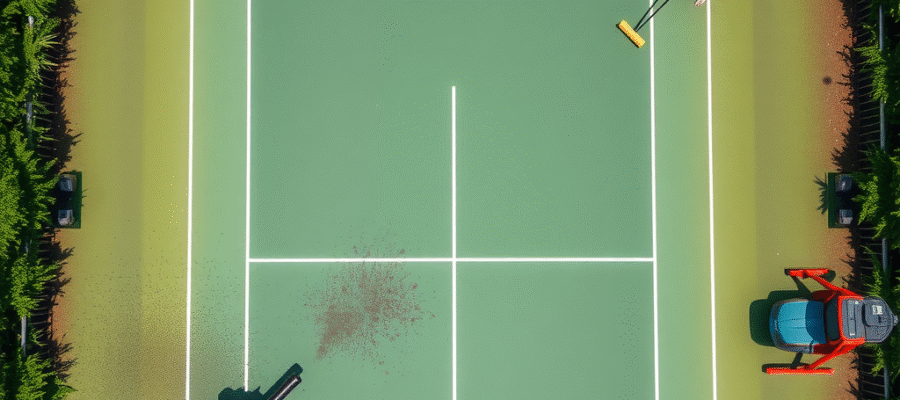
Keeping your tennis court clean is essential for maintaining its quality and performance. Regular tennis court cleaning not only enhances the appearance but also prevents damage from dirt and debris. For helpful tips and community insights, check out this link: https://pressurewashingresource.com/community/t/tennis-court-question/20582. Investing in proper cleaning techniques can prolong the life of your court and enhance player safety.
Tennis court cleaning is essential for maintaining optimal playing conditions and prolonging the surface’s lifespan. Regular maintenance not only enhances the aesthetics of the court but also ensures player safety by reducing slip hazards. For tips and techniques on effective cleaning, check out this helpful resource: https://pressurewashingresource.com/community/t/cleaning-this-tennis-court/19929. Investing time in cleaning can dramatically improve performance and enjoyment of the game.
Maintaining a tennis court, especially one made from artificial grass, is essential to ensure optimal playing conditions and longevity. Regular cleaning and upkeep not only enhance the aesthetic appeal but also play a crucial role in preserving the integrity of the surface. This article outlines a comprehensive maintenance checklist to keep your artificial grass tennis court in peak condition.
Understanding Tennis Court Maintenance
Proper tennis court maintenance is vital for safety, performance, and appearance. Debris, such as leaves, twigs, and general dirt, can accumulate on the court, impacting playability. A well-maintained artificial grass court can significantly reduce the likelihood of injuries and ensure an even surface.
Daily Maintenance Tasks
Start with a daily inspection of your tennis court. Look for any visible wear, areas where the grass may have lifted, or any accumulation of debris. Catching these issues early can prevent more extensive damage and costly repairs.
Daily cleaning should include sweeping and removing leaves, litter, and other debris from the surface. Use a soft-bristle broom or a leaf blower to avoid damaging the artificial grass. Regular debris removal ensures that your court remains safe and inviting.
Weekly Maintenance Tasks
A more thorough cleaning should occur weekly. Use a mixture of warm water and mild detergent to clean the surface. Avoid harsh chemicals, as they can degrade the fibres and the underlying structure of the artificial grass tennis court.
Inspect the drainage system of the court weekly. Ensure that there are no blockages in the drains, as standing water can lead to mould, mildew, and deterioration of the artificial grass.
Monthly Maintenance Tasks
Every month, conduct a deeper clean. This includes brushing the court to lift any flattened grass fibres and using a specialist artificial grass cleaner to eliminate stains and odours.
Inspect the entire court, paying special attention to the seams, edges, and any worn patches. This thorough evaluation can help identify areas that may need repair or resurfacing in the future.
Quarterly Maintenance Tasks
Depending on usage, you should consider a full inspection for resurfacing every 1-3 years. Look for signs of wear, such as discolouration or uneven surfaces, which can affect playability. If necessary, consult with professionals who specialise in tennis court installation to discuss resurfacing options.
Check the levels of your infill material (such as silica sand or rubber granules) quarterly. Insufficient infill can lead to reduced shock absorption and can potentially damage the playing surface over time. Top up as necessary to maintain the desired level.
Annual Maintenance Tasks
Engaging professionals for a comprehensive cleaning and maintenance check annually can provide insights into areas requiring special attention. They can carry out specialised cleaning methods and repair any damaged areas, ensuring that your investment remains protected.
While artificial grass is much less prone to weed growth, some weeds may still infiltrate through seams or edges. Engage in a weed control programme once a year, using appropriate methods to ensure the integrity of the court without damaging the grass itself.
In humid climates, algae and mould can become an issue. Annually, inspect areas that may be prone to dampness and treat them with antifungal solutions that are safe for artificial grass. Regular treatment helps maintain a safe and healthy playing environment.
Conclusion
Regular tennis court cleaning and maintenance are integral to the performance and longevity of artificial grass tennis courts. By following this step-by-step maintenance checklist, you can ensure that your court remains in excellent condition year-round. Investing time and care into maintenance will not only enhance your playing experience but also extend the life of your artificial grass tennis court.
Tennis court cleaning is essential for maintaining optimal playing conditions and prolonging the lifespan of your court. Regular maintenance prevents the buildup of dirt, moss, and algae, ensuring a safe and enjoyable experience for players. For professional tennis court cleaning services, consider visiting https://www.artificialgrassmaintenance.co.uk. Their expertise guarantees a thorough and effective cleaning process, ultimately enhancing your court’s performance and appearance. Invest in regular maintenance for the best results!